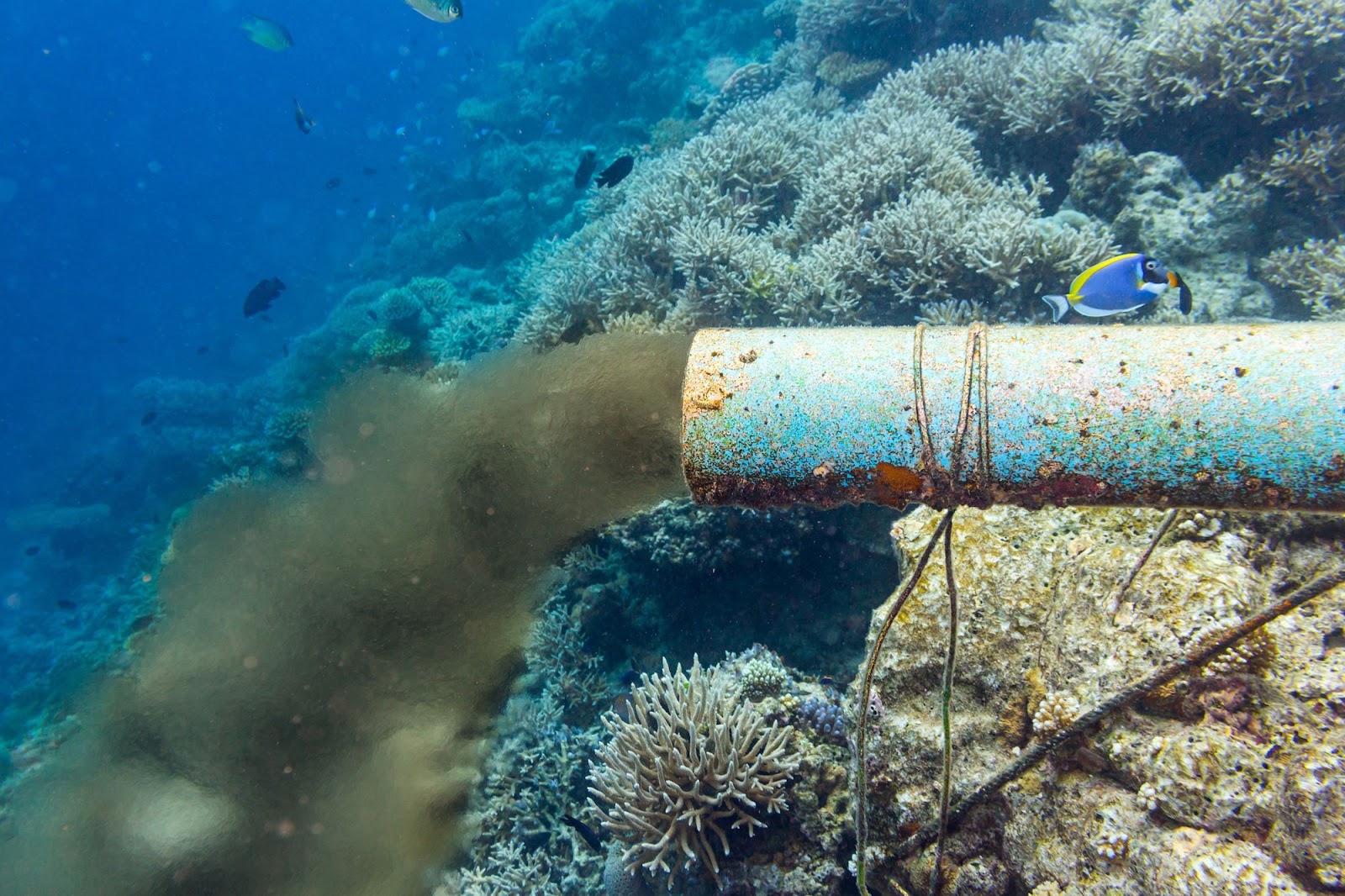
How many marine animals die each year from pollution and plastic?

- 100 million marine animals die each year from plastic waste alone.
- 100,000 marine animals die from getting entangled in plastic yearly – this is just the creatures we find!
- 1 in 3 marine mammal species get found entangled in litter, 12-14,000 tons of plastic are ingested by North Pacific fish yearly.
- Our marine pollution and debris are hazardous for creatures in the gyres.
- Loggerhead sea turtles hunt jellyfish, which unfortunately look remarkably like plastic bags.
- The majority of marine life cannot differentiate their food from plastic garbage we’ve dumped.
- These animals starve to death, clogging their stomachs with plastic so they can’t eat real food.
- For example, Albatrosses and other birds mistake plastics for fish eggs, and they sadly feed them to their chicks, which in turn perish from organ failure or starvation.
- Marine plastic pollution is found in 100% of turtles, 59% of whales, and 36% of seals in recent studies.
- The air isn’t safe either,more than 90% of all seabirds are found to have plastic pieces in their stomachs.
- Mammals like seals drown in the 705,000 tons of discarded fishing nets – this horrifying phenomenon has been dubbed ‘ghost fishing’.
- 500 marine locations are now recorded as dead zones globally, currently the size of the United Kingdom’s surface (245,000 km²)
- Our coral reefs house some 25% of all marine life known to man.
- When it comes in contact with marine plastic, the probability of it dying goes from 4%-89%.
- The majority of fish we consume as humans (trout, perch, cisco, etc) would have ingested plastic and microfibers.
It was believed that due to the vast size of the ocean, we could dump waste and it would not have any impact, however the increase of volumes coupled with the way the gyres and current take move them, this is not the case. How many marine animals die each year from plastic… 100 million is the current estimated figure, and this includes fish, mammals and sea birds.
When looking at animals affected by water pollution, globally, it’s estimated that 50% of sea turtles are impacted by plastics, ingesting it and dying through their digestive systems getting clogged. For many turtles, jellyfish are a crucial part of their diets, and it just so happened that plastic bags look a lot like them.
There are 705,000 tons of discarded fishing nets in the ocean, too, and this is another critical threat to many sea mammals like seals, dolphins, whales, and even smaller animals such as fish and sea lions. Getting tangled in these can lead to injury and often death.
As far as sea birds are concerned, the figures are shocking. Of all species studied, 98% of Albatross are believed to have ingested plastics at some point. This is due to them mistaking the microplastics for fish eggs, passing them to their young as well as consuming them as adults.
Fish are absorbing toxins from the ocean and are taking in debris through their gills. Whales take in vast amounts of plastics and waste mistaking it for food, examinations of stranding’s have shown increases in this issue.
Where we can see waste debris is a huge problem, marine animals are harmed by toxic chemicals like oil and other pollutants are entering the ocean through spills and drainage. This vastly alters the ecosystem and suffocates any marine life coming into contact.
Sources: OceanCrusaders, PlasticOceans, National Geographic, UNESCO, EarthDay, SAS
TYPES OF MARINE POLLUTION: FACTS AND STATISTICS
There are five types of marine pollution:
Pollutant 1: Ocean Acidification
The oceans that cover our planet act as a carbon dioxide sponge; when it’s in our atmosphere it gets absorbed by our oceans. The positive effect of this is that our oceans are lowering our global warming by reducing CO2 concentration. The problem is the levels of CO2 are too high and the volume getting absorbed by the sea is impacting pH levels. This is extremely harmful as it changes the whole ecosystem, vulnerable habitats like coral fall victim to this, which are home to 25% of all marine life.
Pollutant 2: Plastic Debris
There are 5.25 trillion pieces of plastic estimated to be in our oceans, and this plastic waste is a violent threat to all marine life. Discarded fishing nets get all sorts of creatures tangled in them, fish, turtles, and seabirds eat microplastics mistaken for food. Every year the ingestion of these products leads to a long-winded and horrible death to millions of animals. Furthermore, many of these animals consuming plastics are actually in our food chain, so our waste comes back to poison us too.
Pollutant 3: Eutrophication
Eutrophication is a process when the water body has an increase in chemical nutrient concentration. This can spike the growth of plants or, more often than not, where pollution is concerned, cause mass decay, reducing oxygen levels in the water. This results in ‘dead zones’ where the oxygen levels are so low that marine life cannot survive.
Pollutant 4: Noise
Human activities can generate a lot of noise within the oceans from sources such as seismic surveys, oil exploration, sonar, and mass cargo shipping. Many forms of marine life depend on their sense of hearing for survival; for example the confusion from the Navy’s sonar has been linked to whale stranding.
Pollutant 5: Toxins
Toxins such as DDT, heavy metals, pesticides, phenols, PCBs, etc. are what are called persistent toxins – What are the effects of marine pollution with toxins? they do not disintegrate in our oceans. These toxins enter the bodies of all forms of the marine life food chain and ultimately end up causing disease and death. Of course, we are within this food chain as the apex predator, meaning we are also consuming these biomagnified toxins from our food.
Sources: EcoWatch, BBC, RubiconGlobal, NBC, PlasticOceans1, PlasticOceans2, OceanCrusaders, VOX
What are the causes of marine pollution?
- 80% of pollution in our oceans comes from land-based sources.
- Most developing countries dispose of 90% water, and 70% industrial waste gets discharged into our oceans without treatment.
- We produce 100,000 chemicals commercially – all of which threaten the ocean through transport accidents and leaking into the soil or atmosphere to reach the sea.
- 1950-1998 over 100 nuclear blast tests occurred in our oceans.
- 50% of the world’s ship cargo is considered dangerous to the environment; 90% of the planets international trade is transported by ship. 6,000 offshore gas and oil installations provide 30% of the world's energy supply.
- The gas and oil industry releases greenhouse gases and causes thousands of spills annually. Oil spills are vastly dangerous to the oceans, but only 12% come from actual spills – the rest leaks in from drains and rivers.
- 3,000 different marine species are transported around the planet in 12 Billion tons of ballast waters, causing significant problems with invasive species entering marine ecosystems. In the Baltic sea alone, there are over 100 alien species impacting marine life.
- 80% of global marine pollution comes from agriculture runoff, untreated sewage, discharge of nutrients and pesticides.
- Coastal areas get significantly impacted by fertilizer runoff from lawns and farms. These nutrients cause algal blooms to flourish and dissolve the water's oxygen levels. These harmful algal-based blooms have tripled since 1984, closing beaches and killing fish.
- Annually, the Mississippi River flows 1.5 million tons of nitrogen pollution into the Gulf of Mexico.
- The U.S Navy uses a high-intensity sonar for training – this has been linked to whale strandings.
As you can see from the causes of marine pollution statistics above, there are many chemicals, gases, oil spills, and even nuclear tests that have damaged marine life as we know it. Through cargo shipping we’ve also managed to disturb nature’s ecosystem by moving invasive species of marine life into habitats they shouldn’t be in.
The items we throw away, chemicals we produce, including CO2 emissions, will make their way to the sea even if the source is 100’s of miles away from the coastline.
When looking at marine pollution and in particular marine plastic pollution coming from us, there were three leading causes:
Marine pollution causes 1: Discarding materials that can be recycled.
Materials that can be recycled but get put into regular bins often will end up in landfills, and some countries don’t even have recycling programs as an option. When these items end up in landfills, the toxins can seep into the soils and make their way to the ocean through rivers; alternatively, many lightweight plastics can blow away in transit or from the landfill into drainage and rivers.
Marine pollution causes 2: Everyday littering
Similar to our wastes journey through not recycling, when we discard plastics and other potentially toxic materials through littering, our drainage and rivers are what carry it to the sea. Rainwater or wind can move the waste we leave behind into these drainage routes that go to the ocean.
On a larger scale than our footprint, there is also a problem with illegal dumping of waste.
Marine pollution causes 3: Products and chemicals that go into our drains.
There are products we use on a day to day basis that many people improperly discard down the toilet, such as sanitary products, cotton buds, and wet wipes. A lot of people also don’t realise that when we wash our clothes, the majority are made from materials that are classed as plastics – these release microfibers as well, and yet again follow our own drainage to the sea.
Sources: WorldOceanNetwork, Mission Blue, WWF, NRDC, UNESCO, RubiconGlobal