Articles by "coronavirus"
2020 agriculture air air pollution alien Amazing android animals apes app Archaeology Arctic circle ash dieback Atmosphere Attack Australia bacteria BBC beautiful beauty biodiversity biology Canada case studies causes chalk writing chernobyl disaster china climate climate change conservation conserve convenient coronavirus cosmic countries COVID 19 cryosphere cyclones difference earth earth day earth hazards EarthScience EC TALKS Ecology ecowatch Ecowatch education effects electric cars electricity endangered species energy engineers env issues env management env news environment Environmental Science evidence Evolution Evolutionary Biology ezymes facts Fanal fear fear of failure fires food forest forset fossil & ruins galaxies garbage global problem gorillas greece green revolution greenland Human Evolution hurricanes hydraulic press ice impacts Incredible industrial revolution information insects interesting facts invaders IPCC italy land land pollution landscapes light lockdown Locusts locusts v/s grasshopper loss Madeira mammals marine motivation mouse Mutation mystery nano scale NASA national geographic Nature Newyork Nitrogen dioxide NMR noise noise pollution ocean oceans oil spill old trees olive orangutans pacific Pakistan pandemic park peace petrochemicals photography Pink lakes planet plants plastic plastic pollution playstore poem pollution ponder protect Rachel Summer rain forest Ramadan kareem recycling renewable research researchers rodents Russia safe practices SAS satisfaction save science situation size social distancing Solar system solution solutions Soothing south korea stars statistics success symptoms technology the Azores the Canary Islands think tank treatment tree planting trees Turtles types UK UK govt ukraine UNESCO US virus water water pollution WHO wildfires wildlife William Wordsworth woodlands WWF Zoo zoology

As we know our dear Planet; Earth, was facing pandemic of the century, COVID-19 and its still facing it because we have not totally recovered from this pandemic situation. No vaccine has been reported to cure this disease till now. Although several home remedies and precautionary measures are taken to protect ourselves from catching this virus till now. This harmful disease was spreading day by day and the only thing believed to prevent its spread, was lock down. 

Although, we succeeded in this effort but like a coin this situation also had two sides i.e. positive and negative. So, let's talk about this. You just have to spare a few minutes from your busy routine and give this article a quick read. In this article, we are going to explain these two aspects in detail, which are playing significant role in current situation.


POSITIVE IMPACT OF COVID 19

The following are some positive impacts on the planet and humanity;

1. The Environment

The first positive aspect of COVID-19 is the effect on the environment.  Carbon emissions are down globally and with manufacturing and air travel grinding to a halt, the planet has had a chance to rejuvenate.

China recorded an 85 per cent increase in days with good air quality in 337 cities between January and March. With tourists gone from Italy, the long-polluted canals of Venice now appear clear as fish and other wildlife start returning. Elsewhere, wildlife is also reappearing in other major cities and the biodiversity is slowly starting to return in various parts of the world.

2. Peace

The coronavirus is also raising hopes of fewer battles and less conflict, resulting in increased levels of peace. The United Nations called to end all wars in the face of COVID-19 as the world confronts a common enemy: “It’s time to put armed conflict on lockdown,” stated Secretary-General António Guterres.

3. Connectedness

A third positive outcome is a rejuvenated sense of community and social cohesion. Self-isolation challenges us as social animals who desire relationships, contact and interaction with other humans.

However, people all around the world are finding new ways to address the need for interconnections.  In Italy, one of the worst-hit countries, people are joining their instruments and voices to create music from their balconies. People are leading street dance parties while maintaining social distancing.

4. Innovation

COVID-19 is a major market disruptor that has led to unprecedent levels of innovation. Due to the lockdown, so many businesses have had to reinvent themselves with a new 'business as unusual' philosophy.

This includes cafes turning into takeaway venues (some of which also now sell milk or face masks) and gin distilleries now making hand sanitizers.

Many businesses have had to undergo rapid digitization and offer their services online. Some could use this wave of innovation to reimagine their business model and change or grow their market.

5.  Reimagined Education

The fifth positive outcome is massive transformation in education. True, most of it was not by choice. With schools closing down all around the world, many teachers are digitalising the classroom, offering online education, educational games and tasks and self-led learning.

NEGATIVE IMPACT OF COVID 19

The following are some negative impacts on the planet and humanity;

1. Economy

The impact of the disease on society and economy can be witnessed from the lockdown of cities all over the world, labor mobility restrictions, travel bans, airline suspensions, and most importantly slowdown of the economy.
Due to the global outbreak of COVID-19, the global GDP is likely to be affected between 2.3% to 4.8% (ADB, 2020). Additionally, it has also been predicted that the current pandemic outbreak may cause global foreign direct investment to shrink by 5%–15% (UNCTAD, 2020b).

2. Unemployment

The second most important negative impact of COVID 19 is unemployment. The rate of unemployment is increased rapidly. As this situation is faced globally. So, for the developed countries this lockdown thing and work from might worked. And they had managed somehow. 
But, for the developing countries, this situation was the most difficult. Because they don't have enough resources. There are a number of people who on daily wages. And they get their wage when they will work. But during lockdown there was no work for them. They couldn't go outside. 

3. Loss of life 

The most worst effect of Covid 19 on humanity is the loss of the lives of so many innocent people. Globally, 30.8 M cases are reported till date and out of 30.8 M cases 957 K people died. 
The top ten most affected countries of Covid 19 are USA, Italy, Spain, Germany, China, France, Iran, UK, Switzerland and Turkey.

By accounting both sides of the same coin, we came to the conclusion that this pandemic situation is like the phrase of  Darwin's Evolutionary theory 
Survival of the fittest

We are saying that we got time to spent with our families during lockdown and all. But we are saying that because we are alive now. We managed to survive this situation till now and for that we should be thankful to our Lord. 

But just for once think about those who have lost their loved ones, families and everything due to Covid 19. This pademic has changed their lives completely, there is huge difference in their lives after this lockdown. This 6 months time period was the most horrible time for them. 

If you are alive today and reading this article and doing all your routine work. Then be thankful to God. And value your life and use your energy in some positive way. 

- Your Blogger

The document plans for a massive expansion in offshore wind

Greenpeace has joined a growing list of organisations demanding that the UK government puts protecting the environment at the heart of any post-Covid-19 economic stimulus package.

The campaign group has produced a detailed "manifesto" with measures to boost clean transport and smart power.
The document follows a comparable call from some of Britain's most powerful business leaders earlier this week.
Last week, the prime minister also expressed a similar ambition.
Boris Johnson said he wanted to see a "fairer, greener and more resilient global economy" after Covid-19 and that "we owe it to future generations to build back better".
The manifesto also contains measures to support the protection of nature, green buildings and the creation of an economy in which virtually everything is reused.
Greenpeace says the crisis has given Britain a "once in a lifetime" opportunity to transform life, travel and work.
It added that the plan would create hundreds of thousands of secure jobs.

Green business

On Monday, more than 200 chief executives of some of the UK's top firms - including HSBC, National Grid, and Heathrow airport - signed a letter to the prime minister asking him to use the Covid-19 lockdown as a springboard to "deliver a clean, just recovery".
Many people may be surprised how similar the recommendations of these two very different interest groups are.
  • Both Greenpeace and the chief executives are asking the government to prioritize investments in low carbon technologies and calling for the de-carbonization of the British economy to be speed up
  • Both say they want to see a focus on sectors that best support the environment
  • Both are demanding that financial support for ailing businesses must come with a requirement for them to commit to take action to reduce their impact on the environment.
Greenpeace's manifesto is, however, considerably more detailed.
It is a 62-page document with specific policy, spending and tax measures covering most of the British economy.
It calls on the government to deliver its net zero emissions commitment five years early, before 2045.

Controversial policies

Many voters say they support tackling climate change when polled.
However, lots of the policies Greenpeace proposes would prove very controversial.
For example, motorists say they are ready to change their behaviorBut, says Greenpeace, tough policies like these are essential if the government is going to take meaningful action to tackle climate change.
"The choices our government makes now will define… whether or not we succeed in the fight against the climate emergency", says John Sauven, executive director of Greenpeace.
"If we fail to get this right, we may never get another chance. Now is the time for a green recovery, and for that we need action not words."
It says there would be huge dividends in terms of job creation, should its programme be adopted.
Greenpeace calculates that its plans would create hundreds of thousands of new high-skilled jobs as well as helping to level up inequalities between communities in the UK.

Unique opportunity

The UK government has already indicated that protecting the environment will feature heavily in any stimulus package.
Back in April, Boris Johnson said a post-Covid-19 recovery plans should include efforts to "turn the tide on climate change".
Meanwhile, the European Union has unveiled what it called the biggest "green" stimulus in history.
Last week, it said it planned to commit a whopping €750bn (£667bn; $841bn) to its recovery package.
Add in spending from future budgets and the total financial firepower the European Commission says it will be wielding is almost €2tn (£1.8tn; $2.2tn).
Fighting climate change is at the heart of the bloc's recovery from the pandemic.
There will be tens of billions of euros to make homes more energy efficient, to de-carbonize electricity and phase out petrol and diesel vehicles.
The idea is to turbo-charge the European effort to reduce carbon emissions to net zero by 2050.
"If we do not do it, we will be taking much more risk," Teresa Ribera, deputy prime minister of Spain, told the BBC.
"The recovery should be green or it will not be a recovery, it will just be a shortcut into the kind of problems we are facing right now." to improve air quality, according to a recent AA survey.
But many drivers may balk at Greenpeace's proposals to radically redesign the road network to favor walking and cycling, at the suggestion that petrol and diesel cars are banned by 2030 or that fuel duty is steadily increased.
Many homeowners might be reluctant to spend money to upgrade their properties to meet tough energy efficiency standards.
At the same time, many local communities are likely to resist the plan for a big increase in onshore wind and solar power to complement a proposed massive expansion of offshore wind farms - few things unite local communities like a proposal to put in an array of wind turbines.
SOURCE: By Justin Rowlatt, Chief Environment correspondent
DATE: 4th JUNE, 2020

Researchers in the US and UK have identified hundreds of mutations to the virus which causes the disease Covid-19.

But none has yet established what this will mean for virus spread in the population and for how effective a vaccine might be.
Viruses mutate - it's what they do.
The question is: which of these mutations actually do anything to change the severity or infectiousness of the disease?
Preliminary research from the US has suggested one particular mutation - D614G - is becoming dominant and could make the disease more infectious.
It hasn't yet been reviewed by other scientists and formally published.
The researchers, from the Los Alamos National Laboratory in New Mexico, have been tracking changes to the "spike" of the virus that gives it its distinctive shape, using a database called the Global Initiative on Sharing All Influenza Data (GISAID).
They noted there seems to be something about this particular mutation that makes it grow more quickly - but the consequences of this are not yet clear.
The research team analysed UK data from coronavirus patients in Sheffield. Although they found people with that particular mutation of the virus seemed to have a larger amount of the virus in their samples, they didn't find evidence that those people became sicker or stayed in hospital for longer.

'Mutations not a bad thing'

Another study from University College London (UCL) identified 198 recurring mutations to the virus.
One of its authors, Professor Francois Balloux, said: "Mutations in themselves are not a bad thing and there is nothing to suggest SARS-CoV-2 is mutating faster or slower than expected.
"So far, we cannot say whether SARS-CoV-2 is becoming more or less lethal and contagious."
A study from the University of Glasgow, which also analysed mutations, said these changes did not amount to different strains of the virus. They concluded that only one type of the virus is currently circulating.
Monitoring small changes to the structure of the virus is important in understanding the development of vaccines.
Take the 'flu virus: it mutates so fast that the vaccine has to be adjusted every year to deal with the specific strain in circulation.

Drug development

Many of the Covid-19 vaccines currently in development target the distinctive spikes of the virus - the idea is that getting your body to recognise a unique element of the spike will help it to fight off the whole virus. But if that spike is changing, a vaccine developed this way could become less effective.
At the moment this is all theoretical. Scientists don't yet have enough information to say what changes to the virus's genome will mean.
Dr Lucy van Dorp, UCL study co-author, said being able to analyse a large number of virus genomes could be "invaluable to drug development efforts".
However, she told the BBC: "I love genomes, but there is only so much they can say."
Source: By Rachel Schraer

The UK must avoid lurching from the coronavirus crisis into a deeper climate crisis, the government’s advisers have warned.

They recommend that ministers ensure funds earmarked for a post-Covid-19 economic recovery go to firms that will reduce carbon emissions.
They say the public should work from home if possible; and to walk or cycle.
And investment should prioritise broadband over road-building, the Committee on Climate Change (CCC) says.
People should also be encouraged to save emissions by continuing to consult GPs online.
The government will reply later, although the Energy Secretary Alok Sharma has already spoken in favour of a green recovery to the recession.
In a letter to the Prime Minister, the committee says jobless people should be re-trained for work in geographically-spread labour-intensive “green” industries such as home insulation; tree-planting; and peatland restoration.

It makes a veiled reference to the current discussions over a potential government bailout to save jobs in aviation, which is struggling in the crisis.
The letter says: “Many sectors of the UK economy do not currently bear the full costs of emitting greenhouse gases. Revenue could be raised by setting or raising carbon prices for these sectors.”
Green groups say any bailout should include a condition that the industry shrinks until it finds a technological solution to its carbon emissions.


The letter also tackles broader social themes of fairness and risk.

It says the Covid-19 crisis has highlighted inequalities, with poorer people more in danger.
The committee notes: “The response to the pandemic has disproportionately affected the same lower-income groups and younger people - who face the largest long-term impacts of climate change.

“The benefits of acting on climate change must be shared widely, and the costs must not burden those who are least able to pay or whose livelihoods are most at risk as the economy changes.
“It is important that the lost or threatened jobs of today should be replaced by those created by the new, resilient economy.”
The committee says the government must produce policies that allow the UK to reduce emissions to Net Zero in an orderly way – unlike the chaos of the Covid-19 crisis.
The CCC Chairman, Lord Deben, said: “The Covid-19 crisis has shown the importance of planning well for the risks the country faces.
“Recovery means investing in new jobs, cleaner air and improved health. The actions needed to tackle climate change are central to rebuilding our economy.


“The government must prioritize actions that reduce climate risks and avoid measures that lock-in higher emissions.”
The message is not uncontested. Some politicians have argued that jobs must be protected at all cost in the recovery from the Covid-19 recession.
The UK will chair a vital global climate conference next year. Lord Deben said the UK should set a global example by planning a climate-friendly recovery from Covid-19.
The committee has copied the letter to the leaders of Scotland Wales and Northern Ireland. It will expand on its advice in June.
The Green MP Caroline Lucas says the government should harness the lessons from the Covid-19 crisis to create a better society overall.
She says ministers should force firms to show how they will meet CO2 cuts, and give people a right to locally-produced food; affordable clean energy; and access to green space.
The environment consultancy EPR says ministers should change the balance of the planning process to ensure that green space is a top priority rather than a nice-to-have.
Source: By Roger Harrabin (BBC environment analyst)

Experts warn remdesivir shouldn't be seen as a "magic bullet"

The US's Food and Drug Administration (FDA) has authorized emergency use of the Ebola drug remdesivir for treating the coronavirus.

The authorization means the anti-viral drug can now be used on people who are hospitalized with severe Covid-19.
A recent clinical trial showed the drug helped shorten the recovery time for people who were seriously ill.
However, it did not significantly improve survival rates.
Experts have warned the drug - which was originally developed to treat Ebola, and is produced by Gilead pharmaceutical company in California - should not be seen as a "magic bullet" for coronavirus.
The drug interferes with the virus's genome, disrupting its ability to replicate.
During a meeting with US President Donald Trump in the Oval Office, Gilead Chief Executive Daniel O'Day said the FDA authorization was an important first step.
The company would donate 1.5 million vials of the drug, he said.
FDA Commissioner Stephen Hahn also said at the meeting: "It's the first authorized therapy for Covid-19, so we're really proud to be part of it."
Emergency FDA authorization is not the same as formal approval, which requires a higher level of review.

What do we know about remdesivir?

The drug did not cure Ebola, and Gilead says on its website: "Remdesivir is an experimental medicine that does not have established safety or efficacy for the treatment of any condition." Gilead also warns of possible serious side-effects.
However, President Trump has been a vocal supporter of remdesivir as a potential treatment for the coronavirus.
In its clinical trial, whose full results are yet to be released, the US National Institute of Allergy and Infectious Diseases (NIAID) found that remdesivir cut the duration of symptoms from 15 days down to 11.
The trials involved 1,063 people at hospitals around the world - including the US, France, Italy, the UK, China and South Korea. Some patients were given the drug and others were given a placebo (dummy) treatment.
Dr Anthony Fauci who runs NIAID, said that remdesivir had "a clear-cut, significant, positive effect in diminishing the time to recovery".
However, although remdesivir may aid recovery - and possibly stop people having to be treated in intensive care - the trials did not give any clear indication whether it can prevent deaths from coronavirus.
As much remains uncertain about the treatment regime, Gilead suggests a 10-day dosing duration for patients on ventilators and five days for patients who are not.

Could other countries use remdesivir?

The FDA's jurisdiction does not stretch overseas so the authorization only applies to US. Experts also stressed that the emergency use is not the same as full approval.
Gilead says it is currently using up existing stocks of the drug, and the supply is limited. The US government will co-ordinate distribution of remdesivir to hospitals in US cities most heavily impacted by Covid-19.
So it is not clear how much of the drug could be distributed worldwide, nor at what price.
Gilead says it is donating 1.5 million individual doses of remdesivir, which "equates to more than 140,000 treatment courses that will be provided at no cost". The emergency distribution in the US is included in that.
But worldwide there are more than three million confirmed cases, in 185 countries.
Gilead says it is striving to expand production rapidly, with global partners.
The company aims to produce at least 500,000 treatment courses by October, 1 million treatment courses by December 2020 and millions more in 2021, if required.
The Institute for Clinical and Economic Review, a US body which studies drug prices, estimated the cost of a 10-day course of remdesivir at $10 (£8), but suggested a cost-effective price could be as much as $4,500, based on the clinical trials.
Dr Michael Head, a senior research fellow in global health at the University of Southampton, said the move "shows the importance of exploring the use of existing therapeutics when new pathogens emerge".
"This is an important step in options available to clinicians to treat those hospitalized with Covid-19. The data shows that many hospitalized patients will die, so although the effectiveness of remdesivir is limited, it may be a useful addition as an option for treatment."
Source: BBC NEWS
Date: 2nd May, 2020

Since lockdown started, many people who can't carry out their usual work have been finding creative ways of putting their skills to good use.

Rachel Summer, a self-employed forest school practitioner, has been using her skills to make her children's daily walks a bit more interesting.
A forest school practitioner helps children, young people and adults benefit from educational experiences in the natural world, according to the Forest School Association.
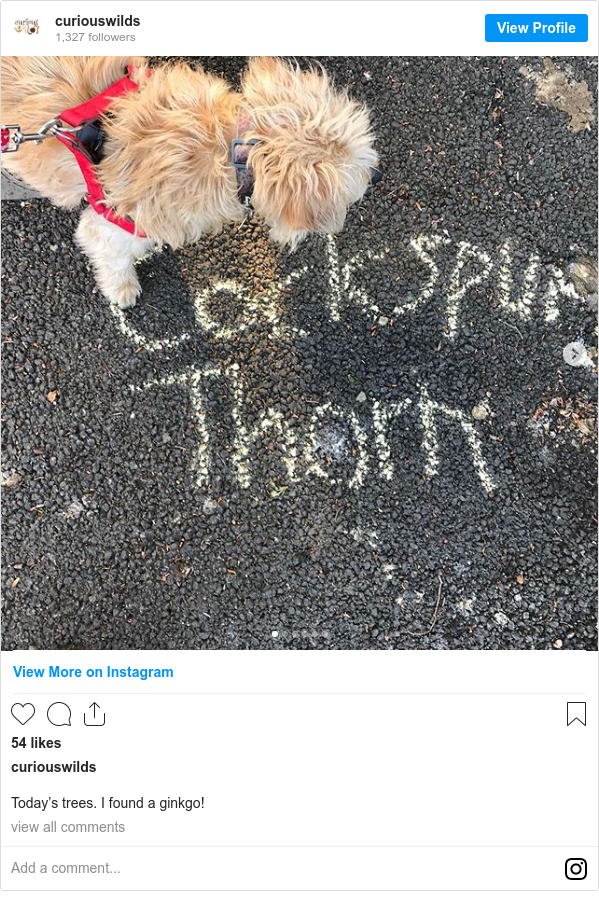
As she's been unable to use the classroom or the forest at the moment, Rachel decided to point out different plants and trees, writing their names and interesting facts on pavements during walks around her neighbourhood.
"I wanted to help people make a connection with the wild spaces where they live. It's like a kind of ownership of their local space," she said.
Her chalk markings, which she used because they wash away easily, were soon spotted by local residents including Elizabeth whose tweet saying it made her heart sing, has gained more than 127,000 likes.
Others who loved Rachel's markings were local MP Stella Creasy who recognised her as "our amazing forest school teacher" and wildlife TV presenter, Chris Packham who retweeted Elizabeth's post.
Rachel, who is home-schooling her five children, says she is fortunate to have a garden and really feels for the young families she works with who are in flats and have nowhere to play.
She takes her younger ones out most days and posts pictures of the trees on her Instagram account.
There's been a lot of positive feedback from parents unable to take their children for walks in the woods.
"It's certainly struck a nerve and for me, this is quite simple and easy to do."
Rachel says she understands how day-to-day living for young families can be exhausting.

Source: By Sherie Ryder


As we all know that Ramadan Kareem is starting from tomorrow and in many foreign countries, it has been started today. So, 
First of all Ramadan Mubarak to all of you who are fasting today as well as to all those who will fast from tomorrow. May Allah SWT bless you all and your families and save the World from this Corona pandemic. 
Ramadan is the beautiful month for Muslims and there are many rituals and traditions of this holy month. But now the scenario is totally changed due to this COVID-19 thing. In this article, we will talk about the true spirit of Ramadan Kareem and the most importantly Ramadan during lockdown and COVID-19. So, lets start;

WHAT IS RAMADAN?

During Ramadan, Muslims practice sawm, or fasting. Of course, no one is required to fast for an entire month. The practice of fasting during Ramadan means that Muslims may not eat or drink anything including water while the sun is shining. Fasting is one of the five pillars or duties of Islam. As with most other religious practices in Islam, Muslims participate in the fast from the age of 12.
One of the most important aspects of the Ramadan fast is called niyyah. Niyyah literally means "intention." Muslims must not simply or accidentally abstain from food; they must achieve the requirement of niyyah. To achieve this requirement, a Muslim must "intend in heart that [the fast] is meant to be a worship for Allah alone." So, if someone fasts for political or dietary reasons, he would not achieve niyyah. In fact, according to scripture, 
"Whoever does not make niyyah before dawn, would not have fasted." 
The determination to fast is equal in importance to the fast itself.
Fasting gives Muslims an opportunity to practice self-control and cleanse the body and mind. Ramadan is the month in which Allah contacted the prophet, Mohammed, to give him the verses of the holy book, or Qu'ran. As such, praying during Ramadan is especially important. Muslims say nightly prayers whether it is Ramadan or not, but the taraweeh, or Ramadan nightly prayer, carries additional weight.
According to scripture,
"Whoever observes night prayer in Ramadan as an expression of his faith and to seek reward from Allah, his previous sins will be blotted out." 
Thus, the Ramadan nightly prayer, after a day of fasting, serves the purpose of eradicating the sins that have been previously committed. In this way, the nightly prayer is an important element of the rituals of Ramadan.

RAMADAN KAREEM DURING COVID-19

The holy month of Ramadan is marked by social and religious gatherings where Muslim families and friends unite to break their fast together, after sunset during iftar or before dawn during suhour. Many Muslims increase their attendance at mosques during the month and congregate for longer prayers for taraweeh a and qiyam. Some Muslims also spend consecutive days and nights at mosques during the last 10 days of Ramadan (i’tikaf) for prayers. These traditional and religious practices are regularly observed throughout the month. 
The transmission of COVID-19 is facilitated by close contact between people, as the virus is spread through respiratory droplets and contact with contaminated surfaces. To mitigate the public health impact, several countries have implemented physical distancing measures aimed at interrupting transmission by reducing interaction between people. These measures are fundamental control mechanisms to control the spread of infectious diseases, particularly respiratory infections, associated with large gatherings of people. 
Physical distancing measures, including the closing of mosques, monitoring of public gatherings and other restrictions on movement, will have direct implications for the social and religious gatherings central to Ramadan. Countries around the world are taking different measures to control the spread of COVID-19. 


SAFE RAMADAN PRACTICES DURING COVID-19

OVERARCHING CONSIDERATIONS

Advice on physical distancing 

• Practice physical distancing by strictly maintaining a distance of at least 1 metre (3 feet) between people at all times. 
• Use culturally and religiously sanctioned greetings that avoid physical contact, such as waving, nodding, or placing the hand over the heart. 
• Stop large numbers of people gathering in places associated with Ramadan activities, such as entertainment venues, markets, and shops. 

Advice to high-risk groups 

• Urge people who are feeling unwell or have any symptoms of COVID-19 to avoid attending events and follow the national guidance on follow-up and management of symptomatic cases. 
• Urge older people and anyone with pre-existing medical conditions (such as cardiovascular disease, diabetes, chronic respiratory disease, and cancer) not to attend gatherings, as they are considered vulnerable to severe disease and death from COVID-19.

MITIGATION MEASURES FOR PHYSICAL GATHERINGS

The following measures should be applied to any gathering occurring during Ramadan, such as prayers, pilgrimages, and communal meals or banquets. 

Venue 

• Consider holding the event outdoors if possible; otherwise, ensure that the indoor venue has adequate ventilation and air flow 
• Shorten the length of the event as much as possible to limit potential exposure 
• Give preference to holding smaller services with fewer attendees more often, rather than hosting large gatherings 
• Adhere to physical distancing among attendees, both when seated and standing, through creating and assigning fixed places, including when praying, performing wudu (ritual ablutions) in communal washing facilities, as well as in areas dedicated to shoe storage. 
• Regulate the number and flow of people entering, attending, and departing from worship spaces, pilgrimage sites, or other venues to ensure safe distancing at all times 
• Consider measures to facilitate contact tracing in the event that an ill person is identified among the attendees of the event. 

Encourage healthy hygiene 

Muslims perform wudu before prayers, which helps maintain healthy hygiene. The following additional measures should be considered: 
• Ensure that hand washing facilities are adequately equipped with soap and water and provide alcohol based hand-rub (at least 70% alcohol) at the entrance to and inside mosques. 
• Ensure the availability of disposable tissues and bins with disposable liners and lids, and guarantee the safe disposal of waste. 
• Encourage the use of personal prayer rugs to place over carpets. 
• Provide visual displays of advice on physical distancing, hand hygiene, respiratory etiquette, and general messages on COVID-19 prevention. 

Frequently clean worship spaces, sites, and buildings 

• Enforce routine cleaning of venues where people gather before and after each event, using detergents and disinfectants. 
• In mosques, keep the premises and wudu facilities clean, and maintain general hygiene and sanitation. 
• Frequently clean often-touched objects such as doorknobs, light switches, and stair railings with detergents and disinfectant.

CHARITY

When the faithful give special attention to those who may be adversely affected while distributing their sadaqat or zakah during this Ramadan, consider the physical distancing measures in place. To avoid the crowded gathering associated with iftar banquets, consider using individual pre-packaged boxes/servings of food. These can be organized by centralized entities and institutions, which should adhere to physical distancing throughout the whole cycle (collecting, packaging, storing and distribution). 

WELL-BEING 

Fasting 

No studies of fasting and risk of COVID-19 infection have been performed. Healthy people should be able to fast during this Ramadan as in previous years, while COVID-19 patients may consider religious licenses regarding breaking the fast in consultation with their doctors, as they would do with any other disease. 

Physical activity 

During the COVID-19 pandemic, many people are restricted in their movements; but, if restrictions allow, always practice physical distancing and proper hand hygiene even during any exercise activity. In lieu of outdoor activities, indoor physical movement and online physical activity classes are encouraged. 

Healthy diet and nutrition 

Proper nutrition and hydration are vital during the month of Ramadan. People should eat a variety of fresh and unprocessed foods every day and drink plenty of water. 

Tobacco use 

Tobacco use is ill-advised under any circumstances, especially during Ramadan and the COVID-19 pandemic. Frequent smokers may already have lung disease, or reduced lung capacity, which greatly increases the risk of serious COVID-19 illness. When smoking cigarettes, the fingers (and possibly contaminated cigarettes) touch the lips, which increases the likelihood of the virus entering the respiratory system. When water pipes are used, it is likely that mouth pieces and hoses are shared, which also facilitates transmission of the virus. 

Promoting mental and psychosocial health 

Despite the different execution in practices this year, it is important to reassure the faithful that they can still reflect, improve, pray, share, and care – all from a healthy distance. Ensuring that family, friends, and elders are still engaged in light of physical distancing needs to be considered; encouraging alternate and digital platforms for interaction is paramount. Offering special prayers for the sick, alongside messages of hope and comfort, are methods to observe the tenants of Ramadan while maintaining public health. 

Responding to situations of domestic violence 

In settings where movement restrictions are in place, incidents of domestic violence, particularly against women, children, and marginalized people, are likely to increase. Religious leaders can actively speak out against violence and provide support or encourage victims to seek help.
This virus knows no barriers. It does not discriminate. Please protect yourself and your loved ones by following the guidelines established by authorities for your protection. This Ramadan, stay indoors and stay safe. ~ Tariq A. Al Maeena, Saudi commentator
Source: WHO 


MKRdezign

Contact Form

Name

Email *

Message *

Powered by Blogger.
Javascript DisablePlease Enable Javascript To See All Widget