Articles by "biodiversity"
2020 agriculture air air pollution alien Amazing android animals apes app Archaeology Arctic circle ash dieback Atmosphere Attack Australia bacteria BBC beautiful beauty biodiversity biology Canada case studies causes chalk writing chernobyl disaster china climate climate change conservation conserve convenient coronavirus cosmic countries COVID 19 cryosphere cyclones difference earth earth day earth hazards EarthScience EC TALKS Ecology ecowatch Ecowatch education effects electric cars electricity endangered species energy engineers env issues env management env news environment Environmental Science evidence Evolution Evolutionary Biology ezymes facts Fanal fear fear of failure fires food forest forset fossil & ruins galaxies garbage global problem gorillas greece green revolution greenland Human Evolution hurricanes hydraulic press ice impacts Incredible industrial revolution information insects interesting facts invaders IPCC italy land land pollution landscapes light lockdown Locusts locusts v/s grasshopper loss Madeira mammals marine motivation mouse Mutation mystery nano scale NASA national geographic Nature Newyork Nitrogen dioxide NMR noise noise pollution ocean oceans oil spill old trees olive orangutans pacific Pakistan pandemic park peace petrochemicals photography Pink lakes planet plants plastic plastic pollution playstore poem pollution ponder protect Rachel Summer rain forest Ramadan kareem recycling renewable research researchers rodents Russia safe practices SAS satisfaction save science situation size social distancing Solar system solution solutions Soothing south korea stars statistics success symptoms technology the Azores the Canary Islands think tank treatment tree planting trees Turtles types UK UK govt ukraine UNESCO US virus water water pollution WHO wildfires wildlife William Wordsworth woodlands WWF Zoo zoology


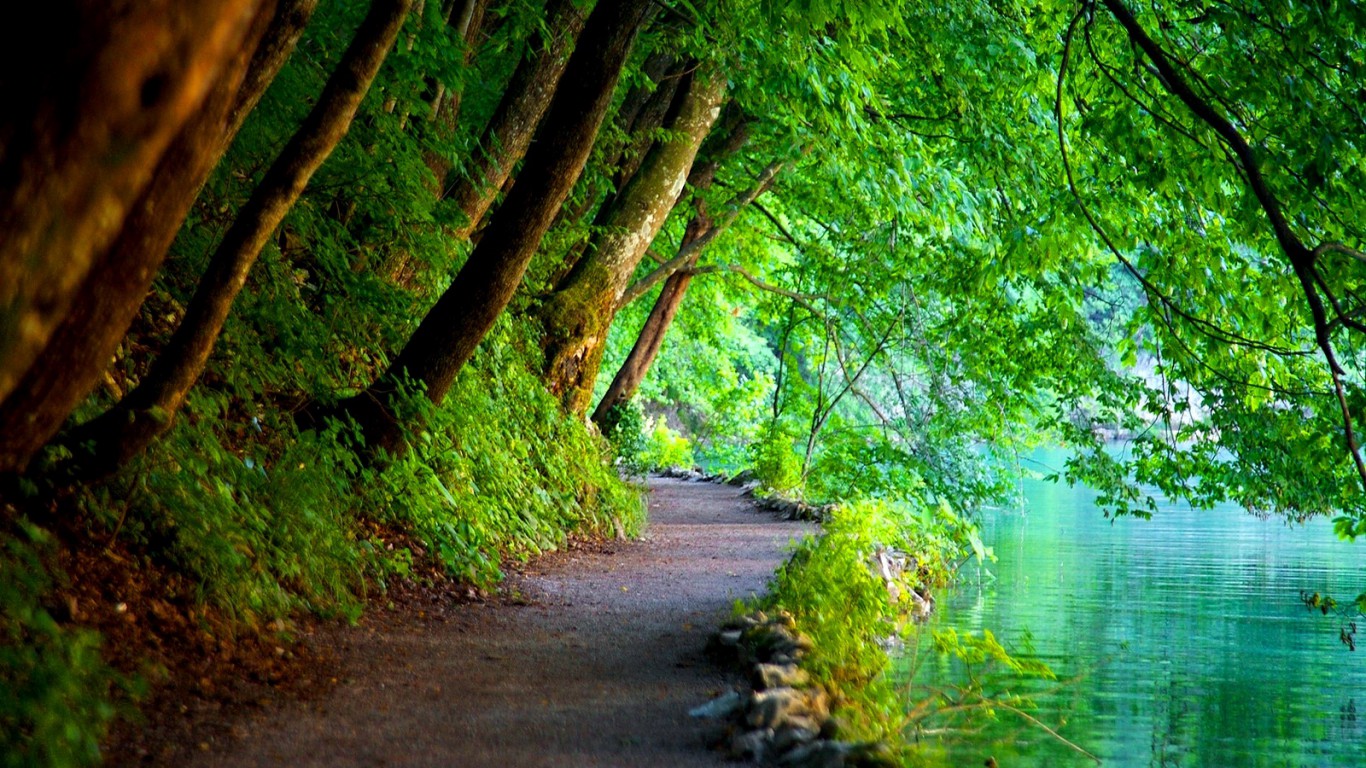
Hello World! Here is your blogger again after a long time with an interesting hot topic. As today, we all are more concerned about Nature, Environment and its biological diversity. And we all want to save them. But the thing is that we all are unaware of the importance and the basic knowledge of Nature. So, in this article I’ll highlight the real facts, importance, uses, benefits, beauty, inter-relationships of Nature and the difference between Nature and Environment. I hope you guys will be excited. The purpose of this article is to provide you all with the true crux of Nature which will help us to aware ourselves and others. So let’s start with the ride to the Nature.
“The phenomena of the physical world collectively, including plants, animals, the landscape, and other features and products of the earth, as opposed to humans or human creations”.

Nature, in the broadest sense, is the natural, physical, or material world or universe. "Nature" can refer to the phenomena of the physical world, and also to life in general. The study of nature is a large, if not the only, part of science. Although humans are part of nature, human activity is often understood as a separate category from other natural phenomena.
The word nature is derived from the Latin word natura, or "essential qualities, innate disposition", and in ancient times, literally meant "birth". In ancient philosophy, Natura is mostly used as the Latin translation of the Greek word physis (φύσις), which originally related to the intrinsic characteristics that plants, animals, and other features of the world develop of their own accord.
Within the various uses of the word today, "nature" often refers to geology and wildlife. Nature can refer to the general realm of living plants and animals, and in some cases to the processes associated with inanimate objects—the way that particular types of things exist and change of their own accord, such as the weather and geology of the Earth. It is often taken to mean the "natural environment" or wilderness—wild animals, rocks, forest, and in general those things that have not been substantially altered by human intervention, or which persist despite human intervention. For example, manufactured objects and human interaction generally are not considered part of nature, unless qualified as, for example, "human nature" or "the whole of nature". This more traditional concept of natural things that can still be found today implies a distinction between the natural and the artificial, with the artificial being understood as that which has been brought into being by a human consciousness or a human mind. Depending on the particular context, the term "natural" might also be distinguished from the unnatural or the supernatural.

IMPORTANCE OF NATURE IN OUR LIVES


Everything humans have needed to survive, and thrive, was provided by the natural world around us: food, water, medicine, materials for shelter, and even natural cycles such as climate and nutrients. Scientists have come to term such gifts ‘ecosystem services’
The rise of technology and industry may have distanced us superficially from nature, but it has not changed our reliance on the natural world: most of what we use and consume on a daily basis remains the product of multitudes of interactions within nature, and many of those interactions are imperiled. Beyond such physical goods, the natural world provides less tangible, but just as important, gifts in terms of beauty, art, and spirituality. Here is a selective sampling of nature’s importance to our lives;
  • Fresh water: There is no physical substance humans require more than freshwater: without water we can only survive a few hellish days. While pollution and overuse has threatened many of the world’s drinking water sources, nature has an old-fashioned solution, at least, to pollution. Healthy freshwater ecosystems—watersheds, wetlands, and forests—naturally clean pollution and toxins from water. Soils, microorganisms, and plant roots all play a role in filtering and recycling out pollutants with a price far cheaper than building a water filtration plant. According to research, the more bio-diverse the ecosystem, the faster and more efficiently water is purified.
  • Pollination: Imagine trying to pollinate every apple blossom in an orchard: this is what nature does for us. Insects, birds, and even some mammals, pollinate the world’s plants, including much of human agriculture. Around 80% of the world’s plants require a different species to act as pollinator. In agriculture, pollinators are required for everything from tomatoes to cocoa, and almonds to buckwheat, among hundreds of other crops. Globally, agricultural pollination has been estimated to be worth around $216 billion a year. However large such monetary estimates don’t include pollination for crops consumed by livestock, bio-fuels, ornamental flowers, or the massive importance of wild plant pollination.

  • Seed dispersal: Much like pollination, many of the world’s plants require other species to move their seeds from the parent plant to new sprouting ground. Seeds are dispersed by an incredibly wide-variety of players: birds, bats, rodents, megafauna like elephants and tapir, and even, researchers have recently discovered, fish. Seed dispersal is especially important for tropical forests where a majority of plants depend on animals to move.
  • Pest control: A recent study found that bats save US agriculture billions of dollars a year simply by doing what they do naturally: eating insects, many of which are potentially harmful to US crops. Almost all agricultural pests have natural enemies, along with bats, these include birds, spiders, parasitic wasps and flies, fungi, and viral diseases. The loss, or even decline, of such pest-eating predators can have massive impacts on agriculture and ecosystems.
  • Soil health: The ground under our feet matters more than we often admit. Healthy fertile soil provides optimal homes for plants, while participating in a number of natural cycles: from recycling nutrients to purifying water. Although soil is renewable, it is also sensitive to overuse and degradation often due to industrial agriculture, pollution, and fertilizers. Natural vegetation and quality soil also mitigates excessive erosion, which can have dramatic impacts from loss of agricultural land to coastlines simply disappearing into the sea.
  • Medicine: Nature is our greatest medicine cabinet: to date it has provided humankind with a multitude of life-saving medicines from quinine to aspirin, and from morphine to numerous cancer and HIV-fighting drugs. There is no question that additionally important medications—perhaps even miracle cures—lie untapped in the world’s ecosystems. In fact, researchers estimate that less than 1% of the world’s known species have been fully examined for their medicinal value. However the ecosystems that have yielded some of the world’s most important and promising drugs—such as rain forests, peat swamps, and coral reefs—are also among the most endangered. Preserving ecosystems and species today may benefit, or even save, millions of lives tomorrow. 

  • Fisheries: Humankind has turned to the rivers and seas for food for at least 40,000 years but probably even longer. Today, amid concern of a global fishery collapse, more than a billion people depend on fish as their primary source of protein, many of them among the global poor. Fisheries also provide livelihoods, both directly and indirectly, for around half a billion. Coral reefs, mangroves, and sea grass ecosystems provide nurseries for the world’s fisheries, while the open ocean is used for migrating routes and hunting. Even with the direct importance of the world’s fisheries for food, stewardship has been lacking, allowing many populations to drop precipitously and still permitting ecologically destructive fishing. While the world’s fisheries are primarily threatened by over fishing, including bycatch, marine pollution is also a major problem.
  • Biodiversity and wildlife abundance: The argument to save the world’s wildlife has often come from an aesthetic point of view. Many conservationists have fought to save species simply because they like a particular species. This is often why more popularly known animals—tigers, elephants, rhinos—receive far more attention than less popular (although just as endangered) wildlife—for example, the red belly egg frog, the smokey bat, or the bastard quiver tree. But beyond making the world a less lonely, less boring, and less beautiful place—admirable reasons in themselves—many of the services provided by biodiversity are similar to those provided by all of nature. Biodiversity produces food, fibers, wood products; it cleans water, controls agricultural pests, pollinates and dispersers the world plants; and provides recreation, such as bird watching, gardening, diving, and ecotourism.
  • Climate regulation: The natural world helps regulate the Earth’s climate. Ecosystems such as rain forests, peat lands, and mangroves store significant amounts of carbon, while the ocean captures massive amounts of carbon through phytoplankton. While regulating greenhouse gases are imperative in the age of climate change, new research is showing that the world’s ecosystems may also play a role in weather. A recent study found that the Amazon rain forest acted as its own ‘bioreactor’, producing clouds and precipitation through the abundance of plant materials in the forest.
  • Economy: In the common tension viewed between the economy and the environment—e.g. do we clear-cut a forest or conserve it?—one fact is often neglected: the environment underpins the entire global economy. Without fertile soils, clean drinking water, healthy forests, and a stable climate, the world’s economy would face disaster. By imperiling our environment, we imperil the economy. According to research published in Science, the global worth of total ecosystem services could run between $40-60 trillion a year.

  • Health: Recent research has found what nature-lovers have long expected: spending time in a green space, such as a park, provides benefits for one’s mental and physical health. Exercising in a park, instead of inside a gym, has shown to provide mental health benefits as a greater sense of well-being. Walking for 20 minutes in a green space has been proven to help children with ADHD improve their concentration, even working as well, or better, than medication. People who live in more natural settings have better overall health, even when research has taken into account economic differences.
  • Art: Imagine poetry without flowers, painting without landscapes, or film without scenery. Imagine if Shakespeare had no rose to compare Juliet to, or if William Blake had no Tyger to set alight. Imagine if Van Gogh lacked crows to paint or Durer a rhinoceros to cut. What would the Jungle Book be without Baloo or the Wind in the Willows without Mr. Badger? Imagine My Antonia without the red grass of the American prairie or Wuthering Heights without the bleak moors. How would The Lord of the Rings film series appear without the stunning mountain ranges of New Zealand, or Lawrence of Arabia without the desert of North Africa? There is no question that the natural world has provided global arts with some of its greatest subjects. What we lose in nature, we also lose in art.
  • Spiritual: While some of what nature provides us is measurable, most of what nature gives us is simply beyond measure. Economic measurements are useful; but as with most of what happens in the world, economics is simply incapable of capturing true worth. Science is also a useful measurement regarding the importance of nature, but once again cannot measure what nature means—practically and aesthetically—to each individual.


WHY IT’S IMPORTANT to VALUE NATURE?


The natural world is an incredible wonder that inspires us all. It underpins our economy, our society, indeed our very existence. Our forests, rivers, oceans and soils provide us with the food we eat, the air we breathe, the water we irrigate our crops with. We also rely on them for numerous other goods and services we depend on for our health, happiness and prosperity. 
These natural assets are often called the world's 'natural capital'. These benefits are also hugely important to the economy – from farming and forestry to leisure and tourism. If you add them all up, the total value of these benefits is phenomenal – at least US$125 trillion every year
Because nature is free, we often take it for granted and over exploit it. We clear forests, over fish oceans, pollute rivers and build over wetlands without taking account of the impact this will have. By not taking into account the benefits we get from nature, we create huge social and economic costs for ourselves.
We need to look at the value of nature in economic and social terms to help us better understand the full implications of the choices we make. Instead of making decisions based on short-term financial interests, we can look at the longer-term benefits for people and the economy-and of course nature itself. Using this argument, we're persuading governments and businesses to take better care of the natural world, so that it can continue to sustain us all into the future.

NATURE V/S ENVIRONMENT


We usually get confused between Environment and Nature. We sometimes use it together or in place of each other. But there is a huge difference in Environment and Nature. When we talk about Environment, it covers air pollutants, global warming, the greenhouse effect, and other dangers to the planet. It also includes a glossary of environmental terms as well as a brief directory of environmental organizations. It also includes energy crises, its consumption and much more. Basically it includes the impact of anthropogenic activities on environmental variables. While talking about Nature, we simply talk about the appreciation of beauty of Earth’s animals, plants and biodiversity. We don’t consider its crises.

Hope this article helped you a lot in understanding the true essence of Nature and the major difference between Nature and Environment.


It's not known how the virus might affect great apes like gorillas

Great apes have been put on lock down against the threat of coronavirus.

Gorilla tourism in Africa has been suspended, while sanctuaries for other apes, such as orangutans, have closed to the public.
It's not known if great apes can contract the virus, but there are growing fears that our closest living relatives might be equally at risk.
This week a tiger at Bronx Zoo tested positive for coronavirus.
New measures have been put in place to protect big cats and their caregivers.
Dr Kirsten Gilardi is chief veterinary officer for Gorilla Doctors, which provides veterinary care to gorillas in the forests of Rwanda, Uganda and the Democratic Republic of Congo.
"We don't know if it's infected mountain gorillas; we have not seen any evidence of that," she said. "But because mountain gorillas are susceptible to human pathogens, we know that they can develop respiratory illness."

Dr Eddy, head veterinarian in DRC, treating an injured gorilla (prior to the outbreak)
Mountain gorillas (Gorilla beringei beringei) are an endangered species of great ape found only in the forests of Rwanda, Uganda and the DR Congo. All three countries have seen human cases of coronavirus, with gorilla tourism currently suspended.

Social distancing

The work of vets and rangers who care for wild gorillas continues, but with added precautions. "Much of what we're practicing right now, in terms of social distancing, and self-quarantine, are at the heart of the recommendations for protecting great apes as well," said Dr Gilardi, who is also a veterinary professor at the University of California, Davis.

The new virus is part of the coronavirus family, which includes the common cold, Sars and Mers
Even before the outbreak, people were asked to stay seven meters away from gorillas at all times. New guidance from the International Union for the Conservation of Nature (IUCN) calls for a minimum distance of 10 meters from great apes, with visits by humans reduced to the minimum needed to ensure their safety and health. No person who is ill, or who has been in contact with a sick person in the preceding 14 days, should be allowed near them.
Habitat loss and poaching are big threats to the survival of great apes, but viruses are also a concern. Infectious disease is now listed among the top three threats to some great ape groups. Past research has shown that chimps can contract the common cold virus, while the Ebola virus is thought to have killed thousands of chimpanzees and gorillas in Africa.

Orangutan sanctuaries have closed
Serge Wich, professor of primate biology at Liverpool John Moores University, UK, said many governments had closed down tourism with great apes, while researchers and sanctuaries were taking extra measures.
He said: "We don't know, if they were to get infected, what the health effects would be, but obviously given the health implications for people it's a risk we do not want to take with great apes so these precautions everyone's taking are an important step to try to reduce that risk."
Sepilok Orangutan Rehabilitation Centre on the island of Borneo is one of many sanctuaries for great apes that has closed its doors to the public.
Susan Sheward, founder and chairwoman of Orangutan Appeal UK, said in a statement: "This disease could be fatal for the already critically endangered orangutan, it is a risk that we cannot afford take. OAUK will do everything it can to make sure that the orangutans at Sepilok stay healthy and safe."
There are four types of great apes alive today: gorillas (Africa), bonobos (Africa), orangutans (SE Asia), and chimpanzees (Africa). Humans are closely related to great apes, sharing a common ancestor several million years ago.
Source: By Helen Briggs (BBC Environment correspondent)
Date: 10th April, 2020

It's not known how the virus might affect great apes like gorillas

Great apes have been put on lock down against the threat of coronavirus.

Gorilla tourism in Africa has been suspended, while sanctuaries for other apes, such as orangutans, have closed to the public.
It's not known if great apes can contract the virus, but there are growing fears that our closest living relatives might be equally at risk.
This week a tiger at Bronx Zoo tested positive for coronavirus.
New measures have been put in place to protect big cats and their caregivers.
Dr Kirsten Gilardi is chief veterinary officer for Gorilla Doctors, which provides veterinary care to gorillas in the forests of Rwanda, Uganda and the Democratic Republic of Congo.
"We don't know if it's infected mountain gorillas; we have not seen any evidence of that," she said. "But because mountain gorillas are susceptible to human pathogens, we know that they can develop respiratory illness."

Dr Eddy, head veterinarian in DRC, treating an injured gorilla (prior to the outbreak)
Mountain gorillas (Gorilla beringei beringei) are an endangered species of great ape found only in the forests of Rwanda, Uganda and the DR Congo. All three countries have seen human cases of coronavirus, with gorilla tourism currently suspended.

Social distancing

The work of vets and rangers who care for wild gorillas continues, but with added precautions. "Much of what we're practicing right now, in terms of social distancing, and self-quarantine, are at the heart of the recommendations for protecting great apes as well," said Dr Gilardi, who is also a veterinary professor at the University of California, Davis.

The new virus is part of the coronavirus family, which includes the common cold, Sars and Mers
Even before the outbreak, people were asked to stay seven meters away from gorillas at all times. New guidance from the International Union for the Conservation of Nature (IUCN) calls for a minimum distance of 10 meters from great apes, with visits by humans reduced to the minimum needed to ensure their safety and health. No person who is ill, or who has been in contact with a sick person in the preceding 14 days, should be allowed near them.
Habitat loss and poaching are big threats to the survival of great apes, but viruses are also a concern. Infectious disease is now listed among the top three threats to some great ape groups. Past research has shown that chimps can contract the common cold virus, while the Ebola virus is thought to have killed thousands of chimpanzees and gorillas in Africa.

Orangutan sanctuaries have closed
Serge Wich, professor of primate biology at Liverpool John Moores University, UK, said many governments had closed down tourism with great apes, while researchers and sanctuaries were taking extra measures.
He said: "We don't know, if they were to get infected, what the health effects would be, but obviously given the health implications for people it's a risk we do not want to take with great apes so these precautions everyone's taking are an important step to try to reduce that risk."
Sepilok Orangutan Rehabilitation Centre on the island of Borneo is one of many sanctuaries for great apes that has closed its doors to the public.
Susan Sheward, founder and chairwoman of Orangutan Appeal UK, said in a statement: "This disease could be fatal for the already critically endangered orangutan, it is a risk that we cannot afford take. OAUK will do everything it can to make sure that the orangutans at Sepilok stay healthy and safe."
There are four types of great apes alive today: gorillas (Africa), bonobos (Africa), orangutans (SE Asia), and chimpanzees (Africa). Humans are closely related to great apes, sharing a common ancestor several million years ago.
Source: By Helen Briggs (BBC Environment correspondent)
Date: 10th April, 2020


A plant charity is predicting a boost for wild flowers because some councils have stopped mowing verges and parks during the Covid-19 crisis.
Plantlife has been urging councils for years to cut grass less often.
It also wants them to delay cutting until flowers have had chance to seed.
The charity says it has seen a shift in attitudes in recent years, but some Councillors still say their citizens prefer neatly-manicured lawns and verges.
Now Plantlife’s preliminary research suggests that municipal mowing has been among the first activities to be cut under the crisis.
That’s partly because staff are sick or self-isolating, and partly to save money as budgets are squeezed.
Plantlife’s Trevor Dines told BBC News that an upsurge in public support for wild flower verges had already persuaded some authorities to restrict cutting.
Emptying bins

He said that a search of local authority websites and social media suggested that more councils are now being jolted into a policy change so they can re-deploy ground staff to services such as emptying bins.
He said: “We have seen an upsurge in members of the public complaining that their councils are cutting the daisies. These sort of comments used to be outweighed by people complaining about untidy grass verges, but it seems as though the balance has shifted.
“Obviously we’re extremely worried about the Covid crisis and want it to end as quickly as possible. But if councils do change their methods because of the crisis, they might find it wins public support, which would be good for the future.”
Among the councils registering changes due to the Covid crisis are:
  • Lincolnshire “Grass cutting and litter picking are among non-essential services being scaled back.”
  • Flintshire “All Council operated grounds maintenance, grass cutting and horticultural operations will be suspended until further notice.”
  • Stockton-on-Tees Borough “Grass cutting will be restricted to minimum levels with the exception of areas where it is needed to ensure public safety – for example, to maintain lines of sight at road junctions.”
  • Newcastle – “Grass cutting and shrub bed maintenance will cease for the time being.”
  • Wigan – “The maintenance of non-essential grass cutting will be suspended for the foreseeable future. We have acted swiftly to redeploy staff to front line services, such as bin collections.”
Plantlife wants councils to delay cutting until the end of August or the start of September until after plants have seeded.
Meanwhile, the reduction of traffic during the Covid-19 crisis will produce another benefit for wild flowers.
Typically, roadside verges are drenched with nitrogen emissions from vehicle exhausts. This fertilises the hardier species in the plant world, which can harness the nitrogen to grow and out-compete more delicate wild flowers.
Mr Dines said: “There has been a phenomenal change in the quality of air – we can see so much more clearly into the distance. The lack of pollutants is going to help wildflowers on verges.”
Source: By Roger Harrabin (BBC environment analyst)


Date:
April 7, 2020
Source:
American Society for Microbiology
Summary:
No vaccines exist that protect people against infections by coronaviruses, including SARS-CoV-2, which causes COVID-19, or the ones that cause SARS and MERS. As COVID-19 continues to wreak havoc, many labs around the world have developed a laser-like focus on understanding the virus and finding the best strategy for stopping it. Researchers now suggest that the approach they took for a MERS virus vaccine may also work against SARS-CoV-2.


No vaccines exist that protect people against infections by coronaviruses, including SARS-CoV-2, which causes COVID-19, or the ones that cause SARS and MERS. As COVID-19 continues to wreak havoc, many labs around the world have developed a laser-like focus on understanding the virus and finding the best strategy for stopping it.
This week in mBio, a journal of the American Society of Microbiology, a team of interdisciplinary researchers describes a promising vaccine candidate against the MERS virus. Since the MERS (Middle East Respiratory Syndrome) outbreak began in 2012, more than 850 people have died, and studies suggest the virus has a case fatality rate of more than 30%.In the new paper, the researchers suggest that the approach they took for a MERS virus vaccine may also work against SARS-CoV-2. The vaccine's delivery method is an RNA virus called parainfluenza virus 5 (PIV5), which is believed to cause a condition known as kennel cough in dogs but appears harmless to people. The researchers added an extra gene to the virus so that infected cells would produce the S, or spike, glycoprotein known to be involved in MERS infections.
"We know people have been exposed to PIV5, but it seems to be an innocuous virus in humans," said pediatric pulmonologist and coronavirus expert Paul McCray, M.D., at the University of Iowa, in Iowa City, who co-led the new study with virologist Biao He, Ph.D., at the University of Georgia, in Athens. "PIV5 doesn't seem to cause a cytopathic effect."
The MERS virus cannot replicate in mice, so to test the vaccine McCray developed a mouse model that mimics human infections. The mice had been genetically engineered to express DPP4, the protein used by the MERS virus as an entry point for human cells.Lab tests showed that a single dose of the vaccine, given intranasally, effectively caused infected cells to produce the S protein, which in turn triggered immune responses against the protein in the animal host.Four weeks after the mice received the vaccine, they were exposed to a strain of the MERS virus, adapted to the mice to cause a lethal infection. The MERS virus was also given to groups of mice that had received a different PIV5 vaccine -- one without the genes for the S protein -- or an intramuscular vaccine with inactivated MERS virus.All the mice immunized with the modified PIV5 virus survived MERS virus infection. In contrast, all the mice immunized with the PIV5 without S died from the infection. The intramuscular vaccine of inactivated MERS virus only protected 25% of the mice from a lethal infection. 
The mice that received inactivated MERS virus showed above-average levels of eosinophils, white blood cells that indicate infection or inflammation. This connection raises a safety concern for inactivated MERS virus as a potential vaccine, said He. The study demonstrates that an intranasal, PIV5-based vaccine is effective against MERS in mice, said He, and should be investigated for its potential against other dangerous coronaviruses, including SARS-CoV-2."We're quite interested in using viruses as gene delivery vehicles," said McCray, who has also investigated similar strategies as a way to treat cystic fibrosis. Now, like colleagues around the world, McCray and He have both focused their research efforts on SARS-CoV-2, taking a similar tack to working with mouse models of infection and testing vaccines.Finding an effective vaccine against the coronavirus that causes COVID-19 is a race against time, McCray said.
"One hundred percent of the population is not going to be exposed to the virus the first time around, which means there will be more people to infect when it comes again," he said.
"We don't know yet if people get lasting immunity from the SARS-CoV-2 infection, so it's important to think about ways to protect the population."

Journal Reference:

  1. Kun Li, Zhuo Li, Christine Wohlford-Lenane, David K. Meyerholz, Rudragouda Channappanavar, Dong An, Stanley Perlman, Paul B. McCray, Biao He. Single-Dose, Intranasal Immunization with Recombinant Parainfluenza Virus 5 Expressing Middle East Respiratory Syndrome Coronavirus (MERS-CoV) Spike Protein Protects Mice from Fatal MERS-CoV InfectionmBio, 2020; 11 (2) DOI: 10.1128/mBio.00554-20

A four-year-old female Malayan tiger at the Bronx Zoo has tested positive for the coronavirus.


The tiger, named Nadia, is believed to be the first known case of an animal infected with Covid-19 in the US.
The Bronx Zoo, in New York City, says the test result was confirmed by the National Veterinary Services Laboratory in Iowa.
Nadia, along with six other big cats, is thought to have been infected by an asymptomatic zoo keeper.
The cats started showing symptoms, including a dry cough, late last month after exposure to the employee, who has not been identified.
"This is the first time that any of us know of anywhere in the world that a person infected the animal and the animal got sick," Paul Calle, the chief veterinarian at the zoo, told Reuters news agency on Sunday.
There have been isolated instances of pets testing positive for the coronavirus elsewhere in the world, but experts have stressed there is no evidence they can become sick or spread the disease.
Mr Calle said he intends to share the findings with other zoos and institutions researching the transmission of Covid-19.
  • Tiger King star in virus isolation, husband says
  • Pangolins carry strains related to new coronavirus
"We tested the cat [Nadia] out of an abundance of caution and will ensure any knowledge we gain about Covid-19 will contribute to the world's continuing understanding of this novel coronavirus," the zoo said in a statement.
Nadia, her sister Azul, as well as two Amur tigers and three African lions who showed symptoms, are all expected to make a full recovery, the zoo said.
The big cats did have some decrease in appetite but "are otherwise doing well under veterinary care and are bright, alert, and interactive with their keepers", it said.
The zoo said it is not known how the virus will develop in animals like tigers and lions since various species can react differently to new infections, but all the animals will be closely monitored.
None of the zoo's other big cats are showing any signs of illness. All the tigers showing symptoms were housed in the zoo's Tiger Mountain area. It is unclear if the others will be tested.
All four zoos run by the Wildlife Conservation Society in New York City, including the Bronx Zoo, have been closed to the public since 16 March. New measures will now be put in place to protect the animals and their caretakers at all the facilities.
  • Calls to protect great apes from coronavirus
  • Shenzhen becomes first Chinese city to ban eating cats and dogs
  • Coronavirus: Five things you need to know

What do we know about animals and the virus?

This coronavirus was first detected in humans in the Chinese city of Wuhan late last year.
The coronavirus (called Sars-CoV-2, which causes the disease Covid-19) is thought to have originated in wildlife and been passed to humans via a live animal market in Wuhan.
The pandemic has been driven by human-to-human transmission, but the infection of Nadia raises new questions about human-to-animal transmission.

There have been less than a handful of isolated reports of companion animals testing positive for coronavirus, including two dogs in Hong Kong.
There is "no evidence that any person has been infected with Covid-19 in the US by animals, including by pet dogs or cats," the zoo's statement noted.
That is also the view of the World Organisation for Animal Health and the World Health Organization (WHO), which says there is no evidence that pet dogs or cats can pass on the coronavirus.
The World Organisation for Animal Health says studies are under way to understand the issue more. and urges anyone who has become sick to limit contact with pets.
Dr Sarah Caddy, Veterinarian and Clinical Research Fellow at the University of Cambridge, is among experts to respond to the reports.
"It is surprising that the tiger has become infected with what must have been a fairly low dose of virus - we can assume the tiger did not have continual close contact with the asymptomatic zoo keeper," she said about the transmission.
"It is also interesting that the tiger showed clinical signs consistent with Covid-19 in humans. Although scientific proof is lacking, the chance this is just a coincidence is low."
Conservation experts have warned that the virus could pose a threat to some wildlife like the great apes - and have said measures are needed to reduce the risk of wild gorillas, chimps and orangutans.
Source: BBC News
Date: 6th April, 2020

MKRdezign

Contact Form

Name

Email *

Message *

Powered by Blogger.
Javascript DisablePlease Enable Javascript To See All Widget