Articles by "case studies"
2020 agriculture air air pollution alien Amazing android animals apes app Archaeology Arctic circle ash dieback Atmosphere Attack Australia bacteria BBC beautiful beauty biodiversity biology Canada case studies causes chalk writing chernobyl disaster china climate climate change conservation conserve convenient coronavirus cosmic countries COVID 19 cryosphere cyclones difference earth earth day earth hazards EarthScience EC TALKS Ecology ecowatch Ecowatch education effects electric cars electricity endangered species energy engineers env issues env management env news environment Environmental Science evidence Evolution Evolutionary Biology ezymes facts Fanal fear fear of failure fires food forest forset fossil & ruins galaxies garbage global problem gorillas greece green revolution greenland Human Evolution hurricanes hydraulic press ice impacts Incredible industrial revolution information insects interesting facts invaders IPCC italy land land pollution landscapes light lockdown Locusts locusts v/s grasshopper loss Madeira mammals marine motivation mouse Mutation mystery nano scale NASA national geographic Nature Newyork Nitrogen dioxide NMR noise noise pollution ocean oceans oil spill old trees olive orangutans pacific Pakistan pandemic park peace petrochemicals photography Pink lakes planet plants plastic plastic pollution playstore poem pollution ponder protect Rachel Summer rain forest Ramadan kareem recycling renewable research researchers rodents Russia safe practices SAS satisfaction save science situation size social distancing Solar system solution solutions Soothing south korea stars statistics success symptoms technology the Azores the Canary Islands think tank treatment tree planting trees Turtles types UK UK govt ukraine UNESCO US virus water water pollution WHO wildfires wildlife William Wordsworth woodlands WWF Zoo zoology

Russia has contained a massive fuel spill that turned a river red and inflicted untold damage on a fragile Arctic region.More than 20,000 tons of diesel oil spilled into the Ambarnaya River from a broken tank at a power plant in Norilsk, 1,800 miles from Moscow, last Friday.

Melting permafrost caused a fuel tank holding 20,000 tons of diesel oil to collapse in Russia's Arctic Circle, leading to a 135-square mile oil spill.
According to Rosprirodnadzor, the Federal Service for Supervision of Natural Resources, 6,000 tons spilled onto the ground, another 15,000 tons into the water. Oil products got into the Ambarnaya and Daldykan rivers and in almost all their tributaries.
The spill occurred in the city of Norilsk, Russia, at a power plant operated by Norilsk-Taimyr Energy Co., a subsidiary of Nornickel. The town is located above the Arctic Circle in Russia’s far North.
Russia declared a state of emergency on Wednesday, five days after a power plant fuel leak in its Arctic region caused 20,000 tonnes of diesel oil to escape into a local river, turning its surface crimson red. The Ambarnaya river, into which the oil has been discharged, is part of a network that flows into the environmentally sensitive Arctic Ocean.
The state-owned TASS news agency reported that the emergency measures were announced within Russia’s Krasnoyarsk Region, located in the vast and sparsely populated Siberian peninsula. The power plant is located near the Region’s Norilsk city, around 3000 km northeast of Moscow. 
State of emergency in Norilsk after 20,000 tons of diesel leaks into Arctic river system. Fear that thawing permafrost caused damage to storage tank  https://t.co/EYvzar8jUQ pic.twitter.com/oN4pOtLZy0
— The Siberian Times (@siberian_times) June 2, 2020

What is permafrost?

The term is used for ground that is frozen continuously for two or more years.
Some 55% of Russia's territory, predominantly Siberia, is permafrost and home to its main oil and gas fields.
A 2017 report to the Arctic Council, an international forum which includes Russia, warned that because of global warming and melting ice, foundations in permafrost regions could no longer support the loads they did as recently as the 1980s.

How did the leak happen?

The thermoelectric power plant at Norilsk is built on permafrost, which has weakened over the years owing to climate change. This caused the pillars that supported the plant’s fuel tank to sink., leading to a loss of containment on May 29. Reports said that around 20,000 tonnes of diesel oil was released into the Ambarnaya river, which has since drifted 12 km on its surface. 
Norilsk Nickel, the Russian mining giant that owns the plant, said it had reported the leak in a “timely and proper” way and that the pillars had held the tank in its place “for 30 years without difficulty”.
The conglomerate, which is the world’s leading nickel and palladium producer, has also been blamed for another leak in 2016, when pollutants from its plant leaked into another river in the region. As per an AP report, its factories have made Norilsk one of the most heavily polluted places on Earth.

What has Russia done so far?

The leak, which took place on Friday, came to the notice of the Region’s governor, Alexander Uss, on Sunday. Uss told President Vladimir Putin during a televised videoconference that he became aware of the spill after “alarming information appeared in social media”. Putin, who appeared irate, ordered a probe into the incident.
Boom obstacles were placed in the river, but they were unable to contain the oil because of shallow waters.
So far, three criminal proceedings have been launched, and the head of the power plant has been detained, the TASS report said.
The state of emergency declared on Wednesday would bring in extra forces and federal resources for the clean-up efforts, the Moscow Times reported.

What is the extent of the damage?

Environmentalists have said the river would be difficult to clean, given its shallow waters and remote location, as well as the magnitude of the spill. A World Wildlife Fund speaking to the AFP news agency described this as the second-largest known oil leak in modern Russia’s history in terms of volume.
The Russian chapter of activist group Greenpeace said damages to the Arctic waterways could be at least 6 billion rubles (over $76 million), and has compared the incident to Alaska’s 1989 Exxon Valdez disaster. Its estimate does not include atmospheric damage due to greenhouse gases and soil pollution. In a statement, the NGO said, The installed buoys will only help collect a small part of the pollution, leading us to say that nearly all the diesel fuel will remain in the environment.”An environmental oversight agency of the Russian government pegged the overall damage at “several dozen, perhaps hundreds of billions of rubles”, as did a federal fishing agency, the Moscow Times reported.

What are the clean-up measures being suggested?

During the video conference with Putin, the Russian minister of natural resources opposed setting the vast quantity of oil afire and recommended diluting the layer with reagents.
An expert told the BBC that the clean-up effort could take between 5-10 years.
Oleg Mitvol, former deputy head of Russia's environmental watchdog Rosprirodnadzor, said there had "never been such an accident in the Arctic zone".
He said the clean-up could cost 100bn roubles (£1.2bn; $1.5bn) and take between five and 10 years.
It is not the first time Norilsk Nickel has been involved in oil spillages.

 Images Source: Google Earth
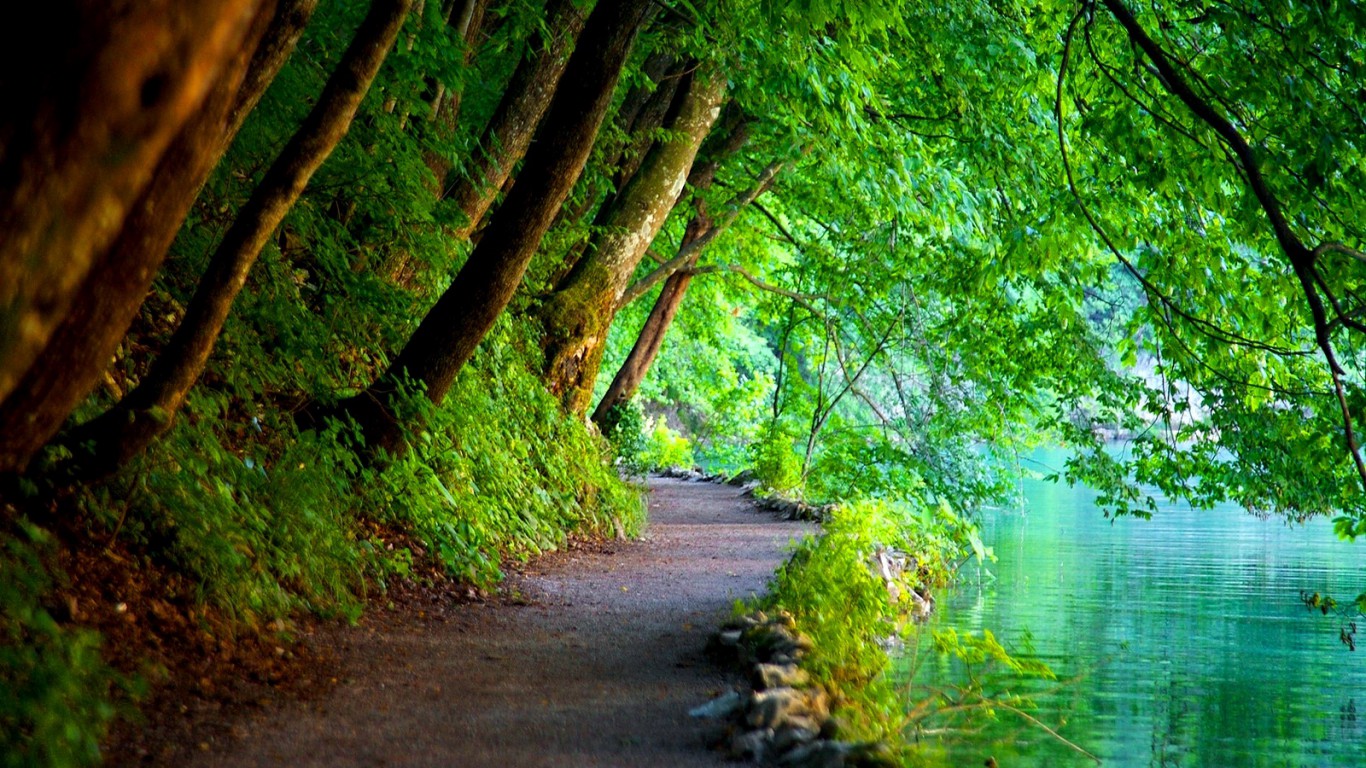


Hello World! Here is your blogger again after a long time with an interesting hot topic. As today, we all are more concerned about Nature, Environment and its biological diversity. And we all want to save them. But the thing is that we all are unaware of the importance and the basic knowledge of Nature. So, in this article I’ll highlight the real facts, importance, uses, benefits, beauty, inter-relationships of Nature and the difference between Nature and Environment. I hope you guys will be excited. The purpose of this article is to provide you all with the true crux of Nature which will help us to aware ourselves and others. So let’s start with the ride to the Nature.
“The phenomena of the physical world collectively, including plants, animals, the landscape, and other features and products of the earth, as opposed to humans or human creations”.

Nature, in the broadest sense, is the natural, physical, or material world or universe. "Nature" can refer to the phenomena of the physical world, and also to life in general. The study of nature is a large, if not the only, part of science. Although humans are part of nature, human activity is often understood as a separate category from other natural phenomena.
The word nature is derived from the Latin word natura, or "essential qualities, innate disposition", and in ancient times, literally meant "birth". In ancient philosophy, Natura is mostly used as the Latin translation of the Greek word physis (φύσις), which originally related to the intrinsic characteristics that plants, animals, and other features of the world develop of their own accord.
Within the various uses of the word today, "nature" often refers to geology and wildlife. Nature can refer to the general realm of living plants and animals, and in some cases to the processes associated with inanimate objects—the way that particular types of things exist and change of their own accord, such as the weather and geology of the Earth. It is often taken to mean the "natural environment" or wilderness—wild animals, rocks, forest, and in general those things that have not been substantially altered by human intervention, or which persist despite human intervention. For example, manufactured objects and human interaction generally are not considered part of nature, unless qualified as, for example, "human nature" or "the whole of nature". This more traditional concept of natural things that can still be found today implies a distinction between the natural and the artificial, with the artificial being understood as that which has been brought into being by a human consciousness or a human mind. Depending on the particular context, the term "natural" might also be distinguished from the unnatural or the supernatural.

IMPORTANCE OF NATURE IN OUR LIVES


Everything humans have needed to survive, and thrive, was provided by the natural world around us: food, water, medicine, materials for shelter, and even natural cycles such as climate and nutrients. Scientists have come to term such gifts ‘ecosystem services’
The rise of technology and industry may have distanced us superficially from nature, but it has not changed our reliance on the natural world: most of what we use and consume on a daily basis remains the product of multitudes of interactions within nature, and many of those interactions are imperiled. Beyond such physical goods, the natural world provides less tangible, but just as important, gifts in terms of beauty, art, and spirituality. Here is a selective sampling of nature’s importance to our lives;
  • Fresh water: There is no physical substance humans require more than freshwater: without water we can only survive a few hellish days. While pollution and overuse has threatened many of the world’s drinking water sources, nature has an old-fashioned solution, at least, to pollution. Healthy freshwater ecosystems—watersheds, wetlands, and forests—naturally clean pollution and toxins from water. Soils, microorganisms, and plant roots all play a role in filtering and recycling out pollutants with a price far cheaper than building a water filtration plant. According to research, the more bio-diverse the ecosystem, the faster and more efficiently water is purified.
  • Pollination: Imagine trying to pollinate every apple blossom in an orchard: this is what nature does for us. Insects, birds, and even some mammals, pollinate the world’s plants, including much of human agriculture. Around 80% of the world’s plants require a different species to act as pollinator. In agriculture, pollinators are required for everything from tomatoes to cocoa, and almonds to buckwheat, among hundreds of other crops. Globally, agricultural pollination has been estimated to be worth around $216 billion a year. However large such monetary estimates don’t include pollination for crops consumed by livestock, bio-fuels, ornamental flowers, or the massive importance of wild plant pollination.

  • Seed dispersal: Much like pollination, many of the world’s plants require other species to move their seeds from the parent plant to new sprouting ground. Seeds are dispersed by an incredibly wide-variety of players: birds, bats, rodents, megafauna like elephants and tapir, and even, researchers have recently discovered, fish. Seed dispersal is especially important for tropical forests where a majority of plants depend on animals to move.
  • Pest control: A recent study found that bats save US agriculture billions of dollars a year simply by doing what they do naturally: eating insects, many of which are potentially harmful to US crops. Almost all agricultural pests have natural enemies, along with bats, these include birds, spiders, parasitic wasps and flies, fungi, and viral diseases. The loss, or even decline, of such pest-eating predators can have massive impacts on agriculture and ecosystems.
  • Soil health: The ground under our feet matters more than we often admit. Healthy fertile soil provides optimal homes for plants, while participating in a number of natural cycles: from recycling nutrients to purifying water. Although soil is renewable, it is also sensitive to overuse and degradation often due to industrial agriculture, pollution, and fertilizers. Natural vegetation and quality soil also mitigates excessive erosion, which can have dramatic impacts from loss of agricultural land to coastlines simply disappearing into the sea.
  • Medicine: Nature is our greatest medicine cabinet: to date it has provided humankind with a multitude of life-saving medicines from quinine to aspirin, and from morphine to numerous cancer and HIV-fighting drugs. There is no question that additionally important medications—perhaps even miracle cures—lie untapped in the world’s ecosystems. In fact, researchers estimate that less than 1% of the world’s known species have been fully examined for their medicinal value. However the ecosystems that have yielded some of the world’s most important and promising drugs—such as rain forests, peat swamps, and coral reefs—are also among the most endangered. Preserving ecosystems and species today may benefit, or even save, millions of lives tomorrow. 

  • Fisheries: Humankind has turned to the rivers and seas for food for at least 40,000 years but probably even longer. Today, amid concern of a global fishery collapse, more than a billion people depend on fish as their primary source of protein, many of them among the global poor. Fisheries also provide livelihoods, both directly and indirectly, for around half a billion. Coral reefs, mangroves, and sea grass ecosystems provide nurseries for the world’s fisheries, while the open ocean is used for migrating routes and hunting. Even with the direct importance of the world’s fisheries for food, stewardship has been lacking, allowing many populations to drop precipitously and still permitting ecologically destructive fishing. While the world’s fisheries are primarily threatened by over fishing, including bycatch, marine pollution is also a major problem.
  • Biodiversity and wildlife abundance: The argument to save the world’s wildlife has often come from an aesthetic point of view. Many conservationists have fought to save species simply because they like a particular species. This is often why more popularly known animals—tigers, elephants, rhinos—receive far more attention than less popular (although just as endangered) wildlife—for example, the red belly egg frog, the smokey bat, or the bastard quiver tree. But beyond making the world a less lonely, less boring, and less beautiful place—admirable reasons in themselves—many of the services provided by biodiversity are similar to those provided by all of nature. Biodiversity produces food, fibers, wood products; it cleans water, controls agricultural pests, pollinates and dispersers the world plants; and provides recreation, such as bird watching, gardening, diving, and ecotourism.
  • Climate regulation: The natural world helps regulate the Earth’s climate. Ecosystems such as rain forests, peat lands, and mangroves store significant amounts of carbon, while the ocean captures massive amounts of carbon through phytoplankton. While regulating greenhouse gases are imperative in the age of climate change, new research is showing that the world’s ecosystems may also play a role in weather. A recent study found that the Amazon rain forest acted as its own ‘bioreactor’, producing clouds and precipitation through the abundance of plant materials in the forest.
  • Economy: In the common tension viewed between the economy and the environment—e.g. do we clear-cut a forest or conserve it?—one fact is often neglected: the environment underpins the entire global economy. Without fertile soils, clean drinking water, healthy forests, and a stable climate, the world’s economy would face disaster. By imperiling our environment, we imperil the economy. According to research published in Science, the global worth of total ecosystem services could run between $40-60 trillion a year.

  • Health: Recent research has found what nature-lovers have long expected: spending time in a green space, such as a park, provides benefits for one’s mental and physical health. Exercising in a park, instead of inside a gym, has shown to provide mental health benefits as a greater sense of well-being. Walking for 20 minutes in a green space has been proven to help children with ADHD improve their concentration, even working as well, or better, than medication. People who live in more natural settings have better overall health, even when research has taken into account economic differences.
  • Art: Imagine poetry without flowers, painting without landscapes, or film without scenery. Imagine if Shakespeare had no rose to compare Juliet to, or if William Blake had no Tyger to set alight. Imagine if Van Gogh lacked crows to paint or Durer a rhinoceros to cut. What would the Jungle Book be without Baloo or the Wind in the Willows without Mr. Badger? Imagine My Antonia without the red grass of the American prairie or Wuthering Heights without the bleak moors. How would The Lord of the Rings film series appear without the stunning mountain ranges of New Zealand, or Lawrence of Arabia without the desert of North Africa? There is no question that the natural world has provided global arts with some of its greatest subjects. What we lose in nature, we also lose in art.
  • Spiritual: While some of what nature provides us is measurable, most of what nature gives us is simply beyond measure. Economic measurements are useful; but as with most of what happens in the world, economics is simply incapable of capturing true worth. Science is also a useful measurement regarding the importance of nature, but once again cannot measure what nature means—practically and aesthetically—to each individual.


WHY IT’S IMPORTANT to VALUE NATURE?


The natural world is an incredible wonder that inspires us all. It underpins our economy, our society, indeed our very existence. Our forests, rivers, oceans and soils provide us with the food we eat, the air we breathe, the water we irrigate our crops with. We also rely on them for numerous other goods and services we depend on for our health, happiness and prosperity. 
These natural assets are often called the world's 'natural capital'. These benefits are also hugely important to the economy – from farming and forestry to leisure and tourism. If you add them all up, the total value of these benefits is phenomenal – at least US$125 trillion every year
Because nature is free, we often take it for granted and over exploit it. We clear forests, over fish oceans, pollute rivers and build over wetlands without taking account of the impact this will have. By not taking into account the benefits we get from nature, we create huge social and economic costs for ourselves.
We need to look at the value of nature in economic and social terms to help us better understand the full implications of the choices we make. Instead of making decisions based on short-term financial interests, we can look at the longer-term benefits for people and the economy-and of course nature itself. Using this argument, we're persuading governments and businesses to take better care of the natural world, so that it can continue to sustain us all into the future.

NATURE V/S ENVIRONMENT


We usually get confused between Environment and Nature. We sometimes use it together or in place of each other. But there is a huge difference in Environment and Nature. When we talk about Environment, it covers air pollutants, global warming, the greenhouse effect, and other dangers to the planet. It also includes a glossary of environmental terms as well as a brief directory of environmental organizations. It also includes energy crises, its consumption and much more. Basically it includes the impact of anthropogenic activities on environmental variables. While talking about Nature, we simply talk about the appreciation of beauty of Earth’s animals, plants and biodiversity. We don’t consider its crises.

Hope this article helped you a lot in understanding the true essence of Nature and the major difference between Nature and Environment.


Today as we all know, the most viral news and update about COVID-19's treatment is convalescent plasma therapy. But most of the people are wondering about this therapy. Like what is it, what is plasma, how it works, how plasma is taken from Donor and what are its requirements for matching and what will be the duration therapy. So, I will provide all the details regarding plasma therapy in this article. Lets begin!


What Is Plasma?

Plasma is the often forgotten part of blood. White blood cells, red blood cells, and platelets are important to body function. But plasma also plays a key role. This fluid carries the blood components throughout the body.
Facts about plasma
Plasma is the largest part of your blood. It, makes up more than half (about 55%) of its overall content. When separated from the rest of the blood, plasma is a light yellow liquid. Plasma carries water, salts and enzymes.
The main role of plasma is to take nutrients, hormones, and proteins to the parts of the body that need it. Cells also put their waste products into the plasma. The plasma then helps remove this waste from the body. Blood plasma also carries all parts of the blood through your circulatory system.
How does plasma keep you healthy?
Plasma is a critical part of the treatment for many serious health problems. This is why there are blood drives asking people to donate blood plasma.
Along with water, salt, and enzymes, plasma also contains important components. These include antibodies, clotting factors, and the proteins albumin and fibrinogen. When you donate blood, healthcare providers can separate these vital parts from your plasma. These parts can then be concentrated into various products. These products are then used as treatments that can help save the lives of people suffering from burns, shock, trauma, and other medical emergencies.
The proteins and antibodies in plasma are also used in therapies for rare chronic conditions. These include autoimmune disorders and hemophilia. People with these conditions can live long and productive lives because of the treatments. In fact, some health organizations call plasma "the gift of life."
Donating plasma
If you want to donate plasma to help others in need, you will go through a screening process. This is to make sure your blood is healthy and safe. If you qualify as a plasma donor, you'll spend about an hour and a half at a clinic on every follow-up visit.
During the actual blood donation process, your blood is drawn through a needle placed in a vein in one arm. A special machine separates the plasma and often the platelets from your blood sample. This process is called plasmapheresis. The remaining red blood cells and other blood components are then returned to your body, along with a little saline (salt) solution.
People with the blood type AB are in the greatest demand for plasma donation. They make up just 2 in 50 people, their plasma is universal. This means their plasma can be used by anyone.
At noncommercial donation sites, people can donate plasma every 28 days, up to 13 times a year. 

Coronavirus: What is convalescent plasma therapy?

Convalescent plasma therapy involves transfusing certain components from the blood of people who have had the COVID-19 virus and recovered into people who are very sick with the virus or people who are at high risk of getting the virus.
How does it work
As people fight the COVID-19 virus, they produce antibodies that attack the virus. Those antibodies, proteins that are secreted by immune cells known as B lymphocytes, are found in plasma, or the liquid part of blood that helps the blood to clot when needed and supports immunity.
Once a person has had the virus and recovered, that person has developed antibodies that will stay in their blood waiting to fight the same virus should it return. Those antibodies, when injected into another person with the disease, recognize the virus as something to attack.
In the case of the coronavirus, scientists say antibodies attack the spikes on the outside of the virus, blocking the virus from penetrating human cells.
Who would it help?
Researchers hope that convalescent plasma will be effective in treating people with the most severe symptoms of the virus. Additionally, it is hoped that it can keep those people who are not as sick from COVID-19 from getting any sicker.
Convalescent plasma is also known as passive antibody therapy, meaning that while it can immediately provide a person with antibodies to fight a virus, those antibodies only last a short period of time in the recipient’s body.
Doctors hope the antibodies can fight back the virus until a person develops their own defenses.
How many patients can be treated with plasma from a donor?
One person’s donation of plasma can produce two doses of the material needed for transfusions. Scientists say that a person only needs one transfusion to get enough antibodies to fight a virus.
Who is conducting trials on convalescent plasma therapy?
Thirty-four institutions around the country are part of the National Covid-19 Convalescent Plasma Project. The project is asking people who have had the virus and are at least 21 days out from the onset of the first symptoms to donate plasma. The project was self-organized by medical researchers across the country.
Mount Sinai Hospital in New York City has partnered with the FDA on clinical trials on convalescent plasma and is treating three patients with the therapy. Johns Hopkins Bloomberg School of Medicine in Baltimore, Maryland, is also conducting convalescent plasma trials.
A study from China suggested that the use of convalescent plasma treatment was successful in treating five critically ill patients.
Is it a new treatment?
The idea of using one person’s antibodies to help another person fight a virus is not new. Reports show that as far back as the 1890s, some form of the therapy was being tried. Convalescent therapy was used to treat measles and mumps.
The downside of the treatment is that it is expensive and limited by the number of donors since one donation can make only two doses of the therapy.
Who can donate?
Different trials may have different requirements for participation. The American Red Cross is asking people to donate plasma for trials as long as participants meet these guidelines:
  • Are at least 17 years old and weigh at least 110 lbs.
  • Are in good health and feeling well.
  • Have a prior diagnosis of COVID-19 and meet specific laboratory criteria.
  • Must be symptom-free for at least 14 days prior to donation.
If you meet all the criteria above and are willing to help, the Red Cross is asking you to complete the Donor Request form.
Is it working?
According to the FDA,
“It is not currently known if convalescent plasma will be an effective treatment against COVID-19,”
but news of success from studies around the world are showing promise.
A study published in the Journal of the American Medical Association described encouraging results when it was used in five critically ill patients who had both COVID-19 and acute respiratory distress syndrome (ARDS). All five patients in the study recovered.
The study noted that more research is needed as the study included only five patients.

Rice engineers' study reveals critical role of molecular confinement in interpreting NMR

Date:
April 13, 2020
Source:
Rice University
Summary:
Engineers put to rest a long-held theory about the use of nuclear magnetic resonance to detect oil and gas deposits in the nanoscale pores of shale formations.
Rice University engineers have put to rest a long-held theory about the detection of oil and gas that hides inside the nanoscale pores of shale formations.

The Rice researchers determined that puzzling indicators from nuclear magnetic resonance (NMR) tools are not due, as thought, to the paramagnetic properties of the rock but solely to the size of the space that traps the petrochemicals.
The team expects the discovery will lead to better interpretation of NMR logs by the oil and gas industry, especially in unconventional shale formations.
The study's authors -- senior investigators Dilip Asthagiri, Philip Singer, George Hirasaki and Walter Chapman and graduate student Arjun Valiya Parambathu, all of the Brown School of Engineering's Department of Chemical and Biomolecular Engineering -- have been at the forefront in using atomistic simulations to refine how to interpret NMR relaxation behavior.
Their paper in the Journal of Physical Chemistry B builds on earlier work from the same group and elucidates the critical role of molecular confinement on NMR relaxation response.
NMR relaxation is an important tool to nondestructively measure the dynamics of molecules in porous materials. NMR is commonly used to detect diseased tissues in the human body, but is also employed to help extract oil and gas safely and economically by characterizing sedimentary rocks to see if they contain hydrocarbons.
NMR manipulates the nuclear magnetic moments of hydrogen nuclei by applying external magnetic fields and measuring the time it takes for the moments to "relax" back to equilibrium. Because relaxation times differ depending on the molecule and its environment, the information gathered by NMR, specifically the relaxation times known as T1 and T2, can help identify whether a molecule is gas, oil or water and the size of the pores that contain them.
A puzzle in the field has been to explain the large T1/T2 ratio of light hydrocarbons confined in such nanoporous material as kerogen or bitumen (aka asphalt) and the mechanism behind NMR surface relaxation, a phenomenon that emerges when formerly free molecules are adjacent to the surfaces that confine them.
Specifically, the researchers note, the T1/T2 ratio of hydrocarbons in kerogen is found to be much larger than the T1/T2 ratio of water in clays. While this contrast in T1/T2 has potential for predicting hydrocarbon reserves in unconventional shale formations, the fundamental mechanism behind it remained elusive.
The conventional explanation of the large T1/T2 ratio in kerogen invoked the physics of paramagnetism that dictate how materials respond to magnetic fields.
Through large-scale atomistic simulations by Valiya Parambathu, Chapman and Asthagiri and experiments by Singer and Hirasaki, the Rice team showed that explanation is not correct.
In the study, the team showed instead that the large T1/T2 ratio emerges as a consequence of confining the hydrocarbon in a tight space.
"In physical terms, under strong confinement, the correlation times of the molecular motions get longer," Asthagiri said.
"These longer correlation times result in faster NMR relaxation -- that is shorter T1 and T2 times," Singer added. "This effect is more pronounced for T2 than it is for T1, which results in a large T1/T2 ratio."
Chapman noted the team is also interested in exploring ideas presented in the paper in the context of medical MRI.

Reference: 

Arjun Valiya Parambathu, Philip M. Singer, George J Hirasaki, Walter G Chapman, Dilipkumar Asthagiri. Critical Role of Confinement in the NMR Surface Relaxation and Diffusion of n-Heptane in a Polymer Matrix Revealed by MD SimulationsThe Journal of Physical Chemistry B, 2020; DOI: 10.1021/acs.jpcb.0c00711

Today as we all know, the most viral news and update about COVID-19's treatment is convalescent plasma therapy. But most of the people are wondering about this therapy. Like what is it, what is plasma, how it works, how plasma is taken from Donor and what are its requirements for matching and what will be the duration therapy. So, I will provide all the details regarding plasma therapy in this article. Lets begin!


What Is Plasma?

Plasma is the often forgotten part of blood. White blood cells, red blood cells, and platelets are important to body function. But plasma also plays a key role. This fluid carries the blood components throughout the body.
Facts about plasma
Plasma is the largest part of your blood. It, makes up more than half (about 55%) of its overall content. When separated from the rest of the blood, plasma is a light yellow liquid. Plasma carries water, salts and enzymes.
The main role of plasma is to take nutrients, hormones, and proteins to the parts of the body that need it. Cells also put their waste products into the plasma. The plasma then helps remove this waste from the body. Blood plasma also carries all parts of the blood through your circulatory system.
How does plasma keep you healthy?
Plasma is a critical part of the treatment for many serious health problems. This is why there are blood drives asking people to donate blood plasma.
Along with water, salt, and enzymes, plasma also contains important components. These include antibodies, clotting factors, and the proteins albumin and fibrinogen. When you donate blood, healthcare providers can separate these vital parts from your plasma. These parts can then be concentrated into various products. These products are then used as treatments that can help save the lives of people suffering from burns, shock, trauma, and other medical emergencies.
The proteins and antibodies in plasma are also used in therapies for rare chronic conditions. These include autoimmune disorders and hemophilia. People with these conditions can live long and productive lives because of the treatments. In fact, some health organizations call plasma "the gift of life."
Donating plasma
If you want to donate plasma to help others in need, you will go through a screening process. This is to make sure your blood is healthy and safe. If you qualify as a plasma donor, you'll spend about an hour and a half at a clinic on every follow-up visit.
During the actual blood donation process, your blood is drawn through a needle placed in a vein in one arm. A special machine separates the plasma and often the platelets from your blood sample. This process is called plasmapheresis. The remaining red blood cells and other blood components are then returned to your body, along with a little saline (salt) solution.
People with the blood type AB are in the greatest demand for plasma donation. They make up just 2 in 50 people, their plasma is universal. This means their plasma can be used by anyone.
At noncommercial donation sites, people can donate plasma every 28 days, up to 13 times a year. 

Coronavirus: What is convalescent plasma therapy?

Convalescent plasma therapy involves transfusing certain components from the blood of people who have had the COVID-19 virus and recovered into people who are very sick with the virus or people who are at high risk of getting the virus.
How does it work
As people fight the COVID-19 virus, they produce antibodies that attack the virus. Those antibodies, proteins that are secreted by immune cells known as B lymphocytes, are found in plasma, or the liquid part of blood that helps the blood to clot when needed and supports immunity.
Once a person has had the virus and recovered, that person has developed antibodies that will stay in their blood waiting to fight the same virus should it return. Those antibodies, when injected into another person with the disease, recognize the virus as something to attack.
In the case of the coronavirus, scientists say antibodies attack the spikes on the outside of the virus, blocking the virus from penetrating human cells.
Who would it help?
Researchers hope that convalescent plasma will be effective in treating people with the most severe symptoms of the virus. Additionally, it is hoped that it can keep those people who are not as sick from COVID-19 from getting any sicker.
Convalescent plasma is also known as passive antibody therapy, meaning that while it can immediately provide a person with antibodies to fight a virus, those antibodies only last a short period of time in the recipient’s body.
Doctors hope the antibodies can fight back the virus until a person develops their own defenses.
How many patients can be treated with plasma from a donor?
One person’s donation of plasma can produce two doses of the material needed for transfusions. Scientists say that a person only needs one transfusion to get enough antibodies to fight a virus.
Who is conducting trials on convalescent plasma therapy?
Thirty-four institutions around the country are part of the National Covid-19 Convalescent Plasma Project. The project is asking people who have had the virus and are at least 21 days out from the onset of the first symptoms to donate plasma. The project was self-organized by medical researchers across the country.
Mount Sinai Hospital in New York City has partnered with the FDA on clinical trials on convalescent plasma and is treating three patients with the therapy. Johns Hopkins Bloomberg School of Medicine in Baltimore, Maryland, is also conducting convalescent plasma trials.
A study from China suggested that the use of convalescent plasma treatment was successful in treating five critically ill patients.
Is it a new treatment?
The idea of using one person’s antibodies to help another person fight a virus is not new. Reports show that as far back as the 1890s, some form of the therapy was being tried. Convalescent therapy was used to treat measles and mumps.
The downside of the treatment is that it is expensive and limited by the number of donors since one donation can make only two doses of the therapy.
Who can donate?
Different trials may have different requirements for participation. The American Red Cross is asking people to donate plasma for trials as long as participants meet these guidelines:
  • Are at least 17 years old and weigh at least 110 lbs.
  • Are in good health and feeling well.
  • Have a prior diagnosis of COVID-19 and meet specific laboratory criteria.
  • Must be symptom-free for at least 14 days prior to donation.
If you meet all the criteria above and are willing to help, the Red Cross is asking you to complete the Donor Request form.
Is it working?
According to the FDA,
“It is not currently known if convalescent plasma will be an effective treatment against COVID-19,”
but news of success from studies around the world are showing promise.
A study published in the Journal of the American Medical Association described encouraging results when it was used in five critically ill patients who had both COVID-19 and acute respiratory distress syndrome (ARDS). All five patients in the study recovered.
The study noted that more research is needed as the study included only five patients.

MKRdezign

Contact Form

Name

Email *

Message *

Powered by Blogger.
Javascript DisablePlease Enable Javascript To See All Widget